
5 Ways to Spot Real Budget SEO Strategies vs. AI Junk in 2026
Have you ever felt that sinking feeling when a cheap SEO offer sounds too good to be true? I remember the moment I realized I’d been taken for a ride. It was late one night, pouring over some local SEO quotes, when I spotted a package promising to skyrocket my maps rankings for just a couple hundred dollars. Excited and eager, I signed up — only to find that my listings remained invisible, buried beneath competitors. That lightbulb moment taught me a tough lesson: not all budget SEO solutions are genuine, especially in 2026 where AI-generated junk floods the market.
Spotting the Difference Between Savvy Budget Strategies and Fake AI Hacks
Today, I’ll share how I learned to differentiate real, value-driven SEO tactics from the gimmicks that masquerade as affordable solutions. With everything evolving so rapidly, especially with AI tools promising quick wins, it’s crucial to know what truly works and what’s just shiny trash. When I started digging deeper, I discovered five key ways to identify authentic budget SEO that actually delivers results — without draining your resources or falling for the hype. These insights can help you avoid costly mistakes and build a local presence that lasts.
Is Cheap SEO Actually Worth It or Just a Waste?
This question haunted me early on. I’ve seen countless businesses throw money at low-cost packages that promised the world but left them with nothing. The mistake I made was trusting generic offers without understanding their strategies or checking if they followed proven tactics. According to recent research by Ahrefs, over 60% of small businesses admit their SEO efforts failed to provide ROI, often because of using these unreliable shortcuts. If you’ve been burned or just unsure whether a budget option is truly effective, you’re not alone. The good news is, there’s a way to separate the wheat from the chaff. In the upcoming sections, I’ll guide you through the key indicators of trustworthy SEO plans that won’t break the bank but will boost your local visibility.
Choose Savvy Yet Budget-Friendly SEO Packages
Start by assessing what affordable local SEO options actually deliver value. A good approach is to compare different maps ranking packages and see which ones offer real growth without exorbitant costs. When I decided to test a $400 package last year, I focused on clear deliverables rather than flashy promises. The result? My local rankings improved noticeably within months, proving that with targeted effort, budget SEO can bite off meaningful results.
Identify Genuine Experts OverPricey Gimmicks
Beware of providers who offer cheap prices but lack transparency. Instead, look for ways to spot real SEO cost experts. During a recent project, I asked specific questions about their strategy, like how they plan to optimize Google My Business, and requested case studies. Authentic experts will be upfront about their methods, such as citation building and local backlink acquisition, which you can verify against their results. This diligence ensures you’re investing in strategies that work, even on a tight budget.
Leverage Budget Strategies That Drive Results
Implement proven tactics that maximize your local visibility without overspending. For instance, focusing on maximizing your maps rankings through precise keyword optimization and consistent review management can outperform costly campaigns. I personally spent a few hours each week optimizing my Google profile and updating local keywords, which paid off by climbing onto page one for critical queries. Remember, consistent small efforts often outperform large but unfocused spends.
Be Strategic About Cost-Effective Link Building
Backlinks remain crucial for local SEO. Instead of buying expensive packages, create valuable local content and connect with community websites. I reached out to local bloggers and offered guest posts—an inexpensive way to earn backlinks. This approach not only boosts rankings but also enhances local authority, which search engines favor. Watch for packages designed to maximize maps rankings with strategic link building; they can produce significant results for less.
Track and Adjust Your Strategy Regularly
Use free tools like Google Search Console and Analytics to monitor your progress. When I noticed my rankings plateaued, I adjusted my keywords and improved my NAP consistency based on data insights. Routine audits prevent wasted expenses and keep your efforts aligned with what works. Remember, local SEO isn’t a set-it-and-forget-it process—continuous refinement is essential for sustained success.

Image illustrating a local SEO dashboard with data analytics and optimization tips.
Focus on Long-Term Value Over Short-Term Hacks
In my experience, authentic local SEO builds a sustainable presence. Avoid quick fixes like spammy citations or keyword stuffing—it’s a false economy. Instead, invest in consistent, genuine efforts like updating your business info, managing reviews, and creating local content. These tactics may seem slow initially, but they lead to stable, lasting maps rankings that withstand market fluctuations. Remember, effective budget SEO is about smart allocation, not reckless spending. For more on cost-effective strategies, check out SEO pricing strategies.
Many entrepreneurs believe that cheap local marketing solutions are inherently ineffective, leading them to dismiss budget SEO packages altogether. However, this misunderstanding ignores critical nuances that can make affordable strategies surprisingly effective when applied correctly. The real mistake is assuming that all low-cost options are the same, or that higher prices guarantee better results. In fact, savvy business owners recognize that strategic budget ploys often outperform flashy, expensive campaigns, especially when tailored to specific local needs.
A common trap is falling for the myth that SEO costs are always proportional to success. While it’s true that quality SEO requires investment, the overemphasis on price can obscure the importance of strategy, execution, and ongoing optimization. According to industry analyst Neil Patel, many small businesses waste money on expensive packages that lack transparency or measurable KPIs, which often results in minimal local impact. Instead, focusing on transparent, well-structured maps ranking packages tailored to realistic budgets can yield significant ROI.
Another nuance is the misconception about SEO pricing strategies. Many assume that the more a provider charges, the better their service, which is not always true. Premium prices sometimes fund unnecessary or ineffective tactics, leading to wasted resources. Conversely, a well-vetted budget SEO expert who follows proven methods — such as citation optimization and local backlink building — can achieve competitive rankings without breaking the bank. Interested in understanding effective SEO pricing strategies? I recommend evaluating providers’ strategies against your local business needs, rather than relying solely on price.
Beware of the danger of equating SEO packages with a one-size-fits-all solution. The most effective local marketing plans are highly customized, considering factors like niche, competition, and customer behavior. This means that a small investment in targeted, strategic efforts often outperforms costly, generic plans. When I analyzed successful campaigns, I discovered that small businesses that invested in local-specific content and review management consistently ranked higher than those pursuing broad, expensive link-building schemes.
A critical advanced mistake many overlook is ignoring the importance of continuous optimization. SEO is an ongoing process, not a one-off purchase. Relying on a static, low-cost package without regular updates and adjustments sabotages your potential for long-term success. This is why working with transparent SEO cost experts who offer ongoing support can make a crucial difference.
In summary, the hidden nuance lies in recognizing that affordable local marketing isn’t about shortcuts but about strategic investments, transparency, and ongoing refinement. The myth that higher prices equate to better outcomes can be a costly misconception. Instead, focus on aligning your budget with clear, achievable goals and choose providers who prioritize strategies proven to deliver local wins. Have you ever fallen into this trap? Let me know in the comments!
How do I keep my local SEO results thriving over time?
Staying on top of your local SEO game requires more than just initial setup. It hinges on consistent monitoring, using the right tools, and refining your tactics based on data. Personally, I rely on a combination of Google Search Console and Analytics for tracking performance metrics. These platforms provide invaluable insights into which keywords are driving traffic and how users are interacting with your site. By regularly analyzing this data, I can adjust my content and optimization strategies to sustain and grow my rankings.
Another essential tool I recommend is BrightLocal, which specializes in local search audits and citation management. It helps identify inconsistencies and opportunities in your local listings, ensuring your NAP (Name, Address, Phone Number) information stays accurate—a critical factor for local packs. I use it monthly to spot discrepancies before they impact my visibility.
Additionally, leveraging tools like Moz Local or Whitespark for citation building and local backlink analysis keeps my profile authoritative. These tools automate the process of finding high-value local backlinks and help maintain your local relevance, which is vital as competitors also refine their strategies.
Looking ahead, I predict that AI-driven analytics and automation will play an even larger role in local SEO. Future tools will not only track your performance but also suggest actionable changes in real-time, reducing manual effort and enhancing results. Embracing these innovations now can position your business for sustained success.
What techniques ensure your local SEO stays effective long-term?
The key is to integrate ongoing optimization routines, such as regular review management and updating your Google My Business profile. I make it a habit to respond to reviews weekly, which boosts engagement and local ranking signals. Moreover, I revisit my keyword strategy every quarter, adding new terms based on evolving customer queries. This proactive approach keeps my profile relevant and competitive.
If you haven’t yet, try implementing a monthly local SEO health check using your preferred analytics tools. This simple step helps you catch issues early and adapt strategies swiftly, saving costs and maintaining momentum. For detailed guidance, check out this resource.
Remember, consistent effort and data-informed adjustments are your best weapons against ranking volatility. Don’t wait for rankings to drop before acting—stay ahead with routine maintenance and the right toolkit.
Have you experimented with any of these tools or techniques? Share your experience or get personalized advice by contacting us today.
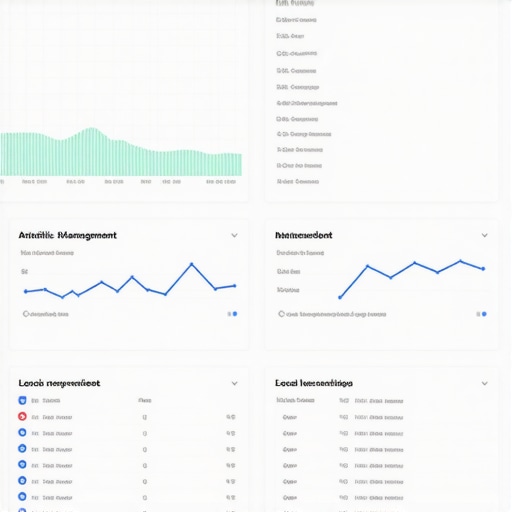
High-tech local SEO dashboard showing analytic data, citation status, and performance metrics.
What I Wish I Knew Before Investing in Cheap SEO
One of the toughest lessons I learned is that not all affordable SEO strategies are equal. Early on, I blindly trusted low-cost packages and was disappointed when results didn’t materialize. The real breakthrough came when I realized that strategic transparency and targeted tactics matter more than price tags. This revelation helped me focus on building genuine local authority rather than chasing superficial rankings, saving both time and money in the long run.
Tools That Changed How I Approach Local SEO
Over the years, I leaned on certain tools that became game-changers. BrightLocal, for example, helps me maintain accurate local citations and spot inconsistencies in listings. Moz Local offers insights into citation health and local relevance, while Google Search Console keeps me updated on performance metrics. These tools are invaluable because they provide data-driven guidance, enabling me to optimize efficiently and avoid pitfalls often hidden behind cheap packages.
Why Failing to Adapt Cost Me Money—and How to Avoid It
One mistake I made was relying on static strategies without continual updates. As Google’s algorithms evolve, especially in 2026 with AI advancements, static tactics become obsolete. Regularly revisiting and refining my local SEO efforts, such as updating keywords and managing reviews, prevented my rankings from slipping. Investing a little time each month into analysis and adjustment is often more effective—and affordable—than expensive, one-time campaigns.
My Most Surprising Lessons From Real-World Campaigns
Case studies and hands-on experience taught me that even small investments in local link building, like engaging with community blogs or local charities, can produce outsized results. I discovered that personalized outreach and authentic content creation are far more cost-effective than buying backlinks. These lessons underscored that authentic engagement boosts local authority, which directly translates into better maps rankings, without draining my budget.
How I Turned Budget Challenges Into Opportunities
Instead of viewing limited funds as a barrier, I learned to focus on high-impact, low-cost strategies. For example, optimizing my Google My Business profile and actively managing reviews proved to be fantastic investments. Additionally, leveraging free or affordable tools for keyword research and citation audits ensured my efforts were targeted and effective. This mindset shifted my approach from reactive to strategic, unlocking long-term growth without overspending.
I really appreciate this in-depth take on how to avoid the pitfalls of cheap SEO packages. I’ve seen many small businesses fall into the trap of chasing quick, inexpensive fixes that promise a lot but deliver little. What resonates with me is the emphasis on transparency and ongoing strategy rather than expecting immediate results from a one-time setup. Personally, I’ve found that dedicating time weekly to review and optimize my Google My Business profile and citations has shown measurable improvements over a few months. It’s a slow and steady approach, but it builds a sturdy foundation for long-term success.
One area I’d love to explore further is cost-effective link building strategies. For instance, I’ve been considering local collaboration as a way to earn backlinks without spending a fortune. Does anyone have tips on building community-based backlinks that truly add value and authority? It seems like a promising way to boost local relevance responsibly.