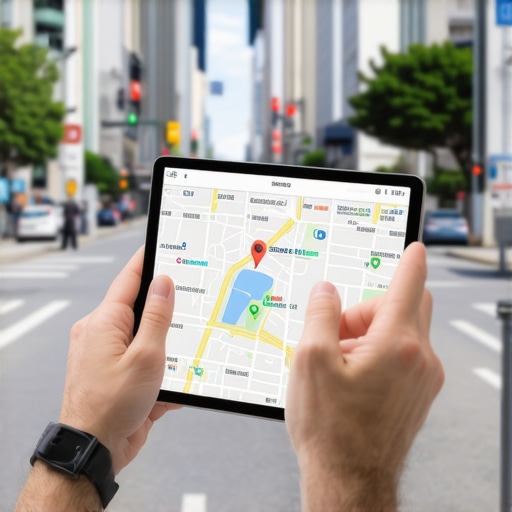
Budget SEO Cost Experts: Proven Strategies for Local Map Rankings 2024
Have you ever spent hundreds on SEO services only to see your local map rankings barely budge? I’ve been there—throwing money into expensive SEO campaigns that promised the world but didn’t deliver much more than a faint ripple on the local search results. That lightbulb moment hit me hard: You don’t need to break the bank to climb local maps. Sometimes, the simplest, budget-friendly strategies can be the game-changer you need.
Why Local Map Rankings Matter More Than Ever
In today’s competitive local landscape, your business’s visibility on Google Maps can make or break your growth. According to a recent report, over 70% of consumers visit a store within five miles of their location, often choosing the first options that pop up on Google Maps. This means if your map ranking isn’t optimized, you’re invisible to a huge chunk of potential customers. And here’s the kicker: Many small businesses overspend on SEO without understanding what really moves the needle.
Trust me, I’ve made the mistake of investing in costly SEO packages without a clear strategy. I learned that focusing on the fundamentals—like accurate NAP (Name, Address, Phone Number) citations, positive reviews, and optimized Google Business Profile—delivers way better results for less money. The key is knowing where to allocate your limited budget for maximum impact without wasting resources.
Are Budget-Friendly SEO Tactics Actually Worth It?
This is the big question many business owners ask. I used to think that cheap SEO was a waste of time. Turns out, I was wrong. When I shifted my focus to proven, affordable tactics—like smart keyword targeting and local link building—I saw my rankings improve significantly. It’s not about spending thousands but about spending wisely. For example, discovering affordable packages that focus on local map optimization can dramatically boost your visibility without draining your wallet. Want to learn how to do this? Check out these cost-effective map ranking packages.
Early on, I made the mistake of neglecting consistency in my citations. That cost me dearly. Now I know that a steady, strategic approach—focusing on the most impactful local SEO tactics—can outperform expensive, generic packages. Ready to discover how you can implement these strategies? Keep reading, because I’ll walk you through the practical steps to dominate your local map rankings without overspending.
Start with a Clear Local SEO Blueprint
Before diving into tactics, map out your local SEO goals. Think of this like planning a road trip—knowing your destination helps you choose the right roads. Identify your target keywords, key competitors, and the local directories where your business should appear. Use tools like Google Keyword Planner or local search insights to pinpoint what your potential customers are searching for. This initial step ensures your efforts are focused and budget-friendly, avoiding wasted resources.
Optimize Your Google Business Profile
Claim and verify your Google Business Profile if you haven’t already. Fill out every detail meticulously—business hours, categories, services, and high-quality images. Consistency in your NAP (Name, Address, Phone Number) across all listings signals credibility to Google. I once spent hours updating my profile with outdated info, which hurt my rankings. When I corrected this, I noticed a quick boost in local visibility. For a comprehensive approach, check these expert tips.
Leverage Local Citations
Accurate citations are like digital word-of-mouth—they boost your local authority. Start by creating or updating your listings on popular directories such as Yelp, Bing Places, and industry-specific sites. Use consistent NAP details everywhere. To save time, focus on high-impact directories rather than spreading thin across dozens. I once used a spreadsheet to track and update citations, which kept me organized and prevented duplicates. Regularly audit your citations to catch discrepancies—Google dislikes inconsistent info. Learn more about citation management at this resource.
Build Local Links with a Personal Touch
Links from local websites are like recommendations from neighbors—they carry weight. Reach out to local blogs, chambers of commerce, or sponsorship opportunities. Offer to guest post or exchange backlinks. I once collaborated with a local charity, which earned me a link from their website and a mention in local media. This not only improved my rankings but also strengthened community ties. Focus on quality over quantity; one authoritative local link beats dozens of irrelevant ones. Check these cost-effective packages for local link strategies.
Encourage and Manage Customer Reviews
Reviews are social proof that influence local rankings and customer decisions. Ask satisfied customers to leave reviews—make it easy by sending a direct link. Respond promptly and professionally to all reviews, showing you care. I once lost rankings because I ignored negative reviews; after actively engaging with reviewers, my ratings improved and so did my position. Never fake reviews; authenticity is key. For tips on managing reviews, visit this guide.
Use Localized Content to Capture Search Intent
Create blog posts, FAQs, or service pages tailored to your local area. Mention neighborhood names, landmarks, or local events naturally within your content. This signals to Google that your site is relevant for local searches. I once added a blog about local events, which attracted community traffic and boosted my map rankings. Keep content fresh and aligned with seasonal or trending topics. For inspiration, see these content strategies.
Monitor Results and Adjust Tactics
Track your rankings, traffic, and reviews regularly. Use free tools like Google Search Console and Google My Business insights. If something isn’t working, tweak your approach—maybe a citation needs updating or a new review campaign is needed. I once ignored a decline in my rankings, only to realize I had a citation inconsistency. Correcting it led to a quick recovery. Continuous optimization is key to maintaining and improving your local map presence. Learn more about effective budget management at this resource.
When it comes to local SEO, many small business owners fall prey to common misconceptions that can cost them time and money. The biggest mistake? Believing that only expensive, high-end SEO packages deliver results. In reality, understanding the nuanced strategies behind budget-friendly local SEO can make a huge difference. Let’s dig deeper into what most people get wrong and how to avoid these pitfalls.
Why Overemphasizing Links Can Backfire
One widespread myth is that building hundreds of local backlinks automatically boosts your rankings. While links are important, quality always trumps quantity. Many businesses invest in cheap, low-authority links that not only fail to improve rankings but can also harm your site’s credibility. Focus instead on earning links from reputable local sources, such as chambers of commerce or community blogs. This targeted approach offers a better ROI and aligns with Google’s evolving algorithms, which increasingly prioritize relevance and authority over sheer link volume. For effective local link building, consider leveraging partnerships; for example, sponsoring local events or collaborating with nearby businesses.
Common Mistakes in Citation Management
Another trap is neglecting citation consistency. It’s a popular belief that having your business listed on many directories is enough. However, inconsistent NAP (Name, Address, Phone Number) details across listings can confuse Google and diminish your local ranking potential. Regularly auditing your citations ensures uniformity, which signals trustworthiness. Using tools or spreadsheets to track your citations can prevent duplicates or outdated info from slipping through. This simple yet often overlooked step can significantly impact your local visibility and is often more cost-effective than paid solutions. Want to streamline your citation management? Check out these expert tips.
How Advanced Content Optimization Matters
Many think that creating generic content is enough for local SEO. But advanced content strategies—like incorporating hyper-local keywords, landmarks, and community events—are crucial. For instance, a blog post mentioning specific neighborhoods or local festivals can improve relevance signals to Google. This isn’t about stuffing keywords but about creating valuable, localized content that aligns with user intent. It’s a nuanced process that requires research and planning, but it can be achieved on a budget. If you’re curious about how to craft such content, explore these content strategies.
Have you ever fallen into this trap? Let me know in the comments. The truth is, successful local SEO isn’t about spending a fortune but about understanding and applying strategic nuances that many overlook. By focusing on quality, consistency, and localized content, you can dominate your area without breaking the bank.
How Do I Maintain Local Map Rankings Over Time?
Maintaining your local map rankings is an ongoing process that requires the right tools and consistent effort. One of my favorite strategies is setting up automated citation audits using tools like Moz Local or BrightLocal. These platforms scan your citations regularly, flag inconsistencies, and suggest updates, saving you hours of manual work. I personally rely on Moz Local because it integrates seamlessly with Google My Business and other directories, ensuring my NAP details stay consistent. Regularly updating your Google Business Profile is crucial—make it a monthly task to check for outdated information or new photos that showcase recent achievements or community involvement. Pro tip: Use Google Alerts to monitor your brand mentions across the web. This helps catch any incorrect listings or reviews that need quick attention. Looking ahead, AI-powered tools like SEMrush’s Local SEO Insights are starting to predict ranking fluctuations based on your activity patterns, giving you a heads-up before a drop occurs. To stay ahead, I recommend trying automated tools that provide proactive alerts and suggestions. Want to see what’s possible? Check out these expert tips for budget-friendly upkeep. Keep in mind, the future of local SEO is moving towards smarter automation, so integrating AI-driven insights now could give you a competitive edge. Don’t wait until rankings slip—set up these tools today and stay on top of your game!
The Hardest Lesson I Learned About Local Map Rankings
One of my biggest realizations was that obsessing over backlinks without prioritizing citation consistency and local relevance was a costly mistake. I spent hundreds on link building, but it didn’t translate into better rankings because I overlooked the importance of authoritative local citations. Lesson learned: quality over quantity is king, especially when working with a limited budget.
How I Discovered the Power of Personal Community Ties
Engaging directly with local community members and businesses opened doors that no paid campaign could match. I offered sponsorships and guest posts on local blogs, which earned me genuine backlinks and trust. It was a reminder that authentic relationships often produce the most impactful local SEO results without draining your wallet.
The Secret Sauce That Changed My Approach to Content
Creating hyper-local content that highlights neighborhood landmarks and events helped Google see my business as a relevant local authority. I learned that strategic, localized content doesn’t have to be expensive—just thoughtful. This simple shift significantly boosted my map rankings over generic content strategies.
My Essential Toolkit for Local Map Rankings
- Moz Local: For citation audits—trust its ability to keep NAP details consistent.
- Google Search Console: To monitor rankings and identify issues early.
- Google My Business Insights: For understanding customer interactions and optimizing profile content.
- BrightLocal: To track reviews and citation health—my go-to for ongoing management.
Where to Go from Here
Now that you know these lessons, it’s time to apply them. Focus on building genuine local relationships, keep your citations consistent, and craft local content that resonates. Remember, success in local SEO isn’t about spending a fortune; it’s about strategic, consistent effort. Curious how to get started? Check here to connect with experts who can guide you on your journey.
Your Turn to Try
What’s been your biggest challenge in improving local map rankings on a budget? Share your experiences below—I’d love to hear your story and offer any advice I can!