
Ditch Monthly Retainers: Use This Pay-on-Result SEO Plan in 2026
I vividly recall sitting in a cramped coffee shop last year, stressing over the latest invoice from my SEO agency. It felt like watching money evaporate into thin air—monthly retainer fee after fee, with little to show for it. That moment struck me: was I throwing away my budget on promises that never quite delivered? Like many small business owners, I faced an uncomfortable truth: traditional SEO retainers often don’t align with real results, especially in the fast-evolving landscape of 2026.
Breaking Free from the Retainer Trap
Many small brands are stuck in the loop of paying fixed monthly fees, expecting consistent rankings and leads, but end up disappointed. This approach can drain budgets without guaranteeing tangible success. Instead, I started exploring alternative strategies that focus on actual results—like pay-on-result SEO plans—that promise pay only when rankings improve or leads increase.
Is it possible to cut through the noise and find dependable, budget-friendly SEO solutions that work? Absolutely. In fact, understanding how to implement result-based pricing strategies can not only save money but also motivate SEO providers to deliver real outcomes. Want to learn how I transitioned to this smarter, more accountable approach? Good, because today I’ll walk you through the core ideas and practical steps to ditch the old retainer model for good.
Does the Promise of Results-Driven SEO Really Hold Up?
Early on, I made the mistake of trusting a local SEO expert who guaranteed page-one rankings—only to realize later that they were using shady tactics that didn’t stick. That experience taught me the hard way: not all results are created equal, and good SEO is rooted in transparency and proven strategies.
The key is to find honest professionals who measure success based on what matters—improved visibility, increased calls, or more online orders—rather than just promises. For further insights into how this can work, check out [effective SEO pricing strategies](https://localseocostexperts.com/effective-seo-pricing-strategies-for-small-business-growth) that help small brands get maximum bang for their buck.
Now, are you tired of wasting cash on SEO that doesn’t deliver? Have you encountered similar frustrations with traditional retainers? If so, keep reading—because the next sections will reveal practical methods to implement a pay-on-result plan that aligns your investment directly with your success.
Start With Clear Goals and Metrics
Before diving into any SEO effort, define what success looks like for your local business. Are you after higher Google Maps rankings, increased store visits, or more phone calls? Setting specific, measurable goals ensures your efforts stay focused. Use KPIs like local search visibility, click-through rates, and conversion metrics to track progress over time. I once set a target to rank in the top three map pack results within three months for a new service area—this clarity sharpened my approach and kept me accountable.
Select the Right Results-Based Packages
Instead of pay a fixed retainer, look for SEO providers offering pay-on-result plans. These often align better with small budgets because you only pay when tangible results occur. Search for providers who highlight transparent, outcome-driven packages—like those explained in Maps Ranking Packages Explained. During my early campaigns, I opted for a local SEO service offering a small budget map ranking package, which delivered steady results without risk of wasting money on ineffective tactics.
Focus on Local Citations and Google My Business Optimization
Real results begin with foundational signals. Make sure your NAP (Name, Address, Phone Number) data is consistent across all platforms—listings sites, social media, and directories. Enhance your Google My Business profile by adding accurate info, high-quality images, and regular posts. I discovered that dedicating weekly 15-minute audits to verify citations and update GMB content improved local rankings significantly, often within weeks. For detailed guidance, review Why Your SEO Strategy Stalls.

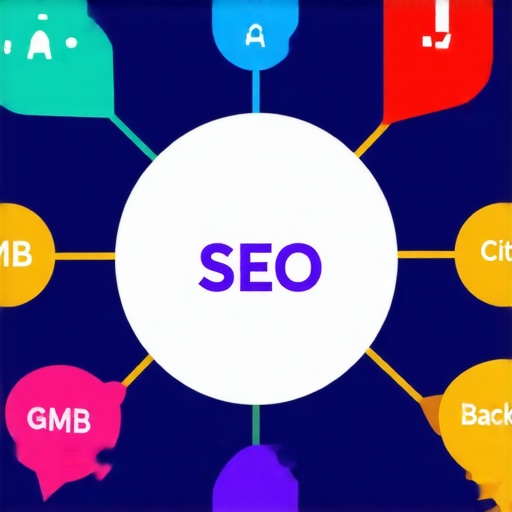
Illustration showing local citation placements, Google My Business dashboard, and ranking graph to visualize foundational local SEO steps.
Build Local Links Strategically
Quality backlinks from relevant local sources boost your Map rankings. Engage with local newspapers, chambers of commerce, or community blogs to earn backlinks. I reached out to a local culinary blog and obtained a guest post that generated referral traffic and improved my visibility. Avoid black-hat link schemes—focus on genuine relationships. For actionable tactics, see Cut Marketing Waste.
Leverage Micro-Influencers and Community Engagement
Engaging with local influencers and participating in community events can generate buzz and organic signals to search engines. Invite local bloggers for a free tasting or sponsor a neighborhood event. These activities often lead to natural citations and social shares, amplifying your local presence without hefty ad spend. I did this for a small boutique, and a single event resulted in a handful of new reviews and citations, pushing the Map ranking higher over a few weeks.
Iterate and Optimize Regularly
Track your rankings weekly using free tools or local SEO dashboards. Adjust your strategies based on what the data shows—more citations, link building, or Google Posts. Keep testing small tweaks; for instance, changing the keywords in your GMB posts or updating business categories can yield unexpected ranking boosts. Remember, local SEO is dynamic—staying proactive and data-driven sets successful small brands apart. For ongoing tips, explore Fast Fixes for Local Wins.
Many small business owners believe that affordable local marketing and budget SEO are straightforward avenues to quick success. However, beneath the surface lies a complex landscape filled with nuanced traps and misconceptions that can undermine your efforts. Let’s dig deeper into some common myths and advanced mistakes, so you can navigate this space more wisely.
Why Cheap SEO Packages Often Sabotage Long-Term Growth
Contrary to popular belief, opting for low-cost maps ranking packages doesn’t always deliver sustainable results. Many providers use quick-fix tactics, like spammy citations or outdated link schemes, which might spike short-term rankings but ultimately lead to penalties or stagnation. According to industry experts, focusing solely on inexpensive tactics neglects essential foundational signals like citation consistency and GMB optimization, vital for lasting visibility. Don’t fall for the trap of thinking higher price equals better quality; instead, seek transparent solutions that focus on proven strategies—like those explained in Maps Ranking Packages Explained—and avoid the false promise of quick fixes.
Misconceptions About the Cost of Local SEO
Many small businesses underestimate the true investment needed for effective local SEO. The misconception that you can get top Map rankings with a minimal budget causes some to continually chase cheaper quotes, only to find out later that the real effort requires strategic planning, consistent implementation, and proper optimization. For example, optimizing for competitive keywords or managing local citations and reviews effectively cannot be achieved with a $200 monthly plan. Instead, a smarter approach involves understanding what affordable yet effective strategies—like those discussed in Effective SEO Pricing Strategies—look like and aligning your budget accordingly. Remember, investing wisely upfront can prevent costly reruns and patchwork fixes later.
Visual comparison of budget-friendly SEO tactics highlighting foundational local signals versus quick fix methods.
Maintaining your local SEO efforts over time requires more than just initial setup; it demands consistent tracking, optimization, and adaptation. As someone who has navigated the maze of affordable local marketing and budget SEO, I can attest that leveraging the right tools and methods is critical to sustaining and scaling your results.
One of my go-to tools is BrightLocal. I personally use BrightLocal for local citation tracking, review monitoring, and ranking reports because it consolidates data from multiple sources into a user-friendly dashboard. Its reputation management features help me quickly respond to reviews, which directly impacts local map rankings—a factor I prioritize based on insights from expert tips. Consistent review and citation audits prevent your business listing from slipping, especially as competitors aggressively optimize.
Another indispensable tool is Whitespark’s Local Citation Finder. I track citations and build new ones where gaps exist; this proactive approach is vital given Google’s evolving algorithms—something I believe will continue in the future, making citation consistency a foundational pillar of local rankings.
For keyword and ranking tracking, I rely on Nightwatch. Its detailed local rank tracking and competitor analysis help me identify opportunities and threats quickly. By setting up regular custom reports, I stay ahead of fluctuations caused by algorithm updates, which are inevitable but manageable with vigilance.
Long-term success hinges on iterative optimization. I schedule weekly review sessions—reviewing ranking fluctuations, citation health, and review scores—to ensure my local campaigns stay robust. Automation is also a huge helper; I use Zapier integrations to set up alerts for negative reviews or significant rank drops, ensuring prompt responses.
As local search continues to evolve rapidly, tools that automate data collection and analysis will grow even more sophisticated. I predict a rise in AI-driven analytics that can suggest specific action items—think of it as having a personal SEO coach guiding your next move.
For those wanting a simplified start, I recommend trying a comprehensive local SEO dashboard like Semrush’s Local Toolkit, which consolidates many essential features. Starting with a focused, reliable set of tools ensures continuity and helps you build a scalable, long-lasting local marketing strategy.
Remember, consistent monitoring, quick adaptation, and leveraging smart tools are your best bets for ongoing success. Want to dive deeper? Explore how to maximize your map rankings using budget-friendly packages or learn from expert strategies on SEO costs by visiting this resource. Give these tips a try and watch your local visibility grow—each step making your business a neighborhood favorite.
The Hidden Cost of Cheap Tactics I Learned the Hard Way
One of the most glaring lessons was that quick-fix SEO strategies often come at a hidden price—penalties, stagnation, or worse, having my business rankings demolished overnight. In my pursuit of affordable results, I overlooked the importance of foundational signals like citation consistency and genuine local links. It became clear that sustainable success doesn’t come from shortcuts but from a commitment to proven, transparent tactics. This realization pushed me to seek out providers who prioritize long-term growth over short-term gains, such as those highlighted in Maps Ranking Packages Explained.
How My Perspective Shifted on Local SEO Investments
I used to believe that investing a small, fixed amount could magically vault my business to the top of local search results. However, I discovered that effective local SEO requires understanding the real costs—like optimizing Google My Business, managing citations, and building quality local backlinks. With this in mind, my approach evolved into a strategic, budget-conscious plan that aligned my spending with tangible goals. To deepen this understanding, I recommend exploring effective SEO pricing strategies, which helped shape my expectations and investments.
Why Regular Monitoring Becomes My Superpower
Tracking my local rankings weekly and adjusting tactics accordingly became a game-changer. Tools like BrightLocal and Whitespark kept me informed about citation health, review management, and ranking fluctuations. I learned that ignoring these signals risks losing ground to competitors who optimize relentlessly. Incorporating automation, such as setting up alerts for review spikes or drops in rankings, allowed me to respond swiftly. This proactive stance, supported by expert tips, is now a core part of my long-term strategy.
Admitting the Power of Community Connections
Engaging with local influencers and participating in community events proved surprisingly effective and affordable. Hosting a simple event or collaborating on content with local bloggers generated authentic citations, reviews, and social signals. These organic signals, although slow-growing initially, created a cumulative boost that strengthened my Map rankings over time. I wish I had started integrating community engagement earlier, as these relationships become the backbone of sustainable local marketing efforts.
Balancing Ambition with Practicality: My Final Reflection
Looking back, I realize that patience, consistency, and transparency are key. There’s no magic bullet in local SEO or budget marketing—only disciplined implementation of proven tactics paired with realistic expectations. If you’re like I was, tempted by promises of instant results on a shoestring budget, remember that genuine growth is a marathon, not a sprint. Equip yourself with reliable tools, educate yourself continuously, and celebrate small wins along the way. Ready to take your local marketing to the next level? Dive into strategic optimization tips, and start building the foundation you deserve.