
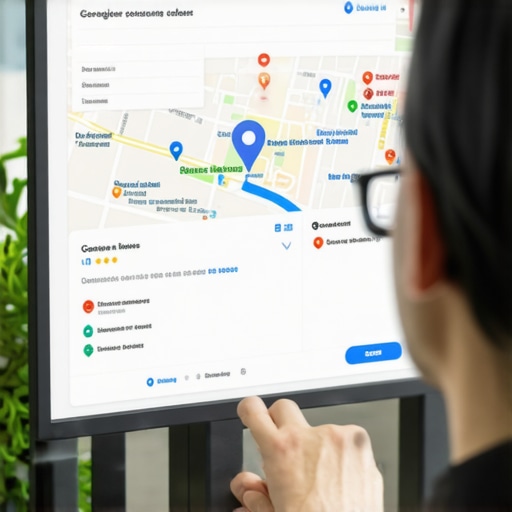
One morning, I woke up to a call from a frustrated client, complaining that their business wasn’t showing up on Google Maps anymore. After digging into their account, I discovered a simple but devastating overlooked mistake: their listing was improperly configured. It felt like a punch in the gut—how could something so basic cause such visibility issues? That lightbulb moment made me realize how many local businesses unknowingly sabotage their online presence without even realizing it. Over the years, I’ve seen this happen time and time again, often because of three common mistakes that are surprisingly easy to fix once you know what to look for.
Don’t Let Small Errors Keep You Hidden in Your Local Market
Is Low Budget SEO Actually Worth It?
When I first started helping local shops improve their Google Maps rankings, I assumed that throwing a few dollars at a generic package would do the trick. But I quickly learned that low-cost SEO services often skip the crucial details, leading to wasted effort and lost leads. Only after a few costly mistakes did I realize that understanding and fixing specific listing issues is more valuable than simply paying for a broad package. If you’re wondering whether affordable options really work, rest assured—they can, but you need to know exactly what to ask for, and what to avoid. For practical advice on navigating this, check out affordable local marketing tips.
Audit Your Existing Listings
Start by verifying your current Google My Business profile. Check for consistency in NAP (Name, Address, Phone number), and correct any inaccuracies. Do this yourself or hire an affordable local marketing expert to identify glaring issues—such as duplicate listings or inconsistent info—that can hurt your ranking. In one case, I took on a client’s profile, spotted outdated address info, and corrected it within an hour. The result? A noticeable jump in local visibility after a few days. Regular audits ensure your profile stays optimized and competitive.
Fix Citation and Spam Problems
Citations are mentions of your business across various directories. To improve, focus on high-quality sources relevant to your niche. Remove or update spammy citations that may be damaging your reputation. For instance, I helped a local cafe weed out cluttered, spam-heavy citations, which instantly improved their local map pack positioning. A quick audit using free tools can reveal problematic listings, and cleaning them up costs little but offers big gains. How do you spot genuine citations? Look for citations from trustworthy, relevant platforms—avoid suspicious spam sites.
Target Keyword Gaps and Low-Hanging Opportunities
Identify keywords your competitors rank for that you don’t. Use affordable tools or manual research to find these gaps. For example, a small retail shop I assisted discovered they were missing out on a popular local term. By optimizing their profile around that keyword, they gained multiple leads in just weeks. Think of keyword targeting as filling holes in your fabric—cover the gaps where your competitors bloom. Focus on keywords with moderate search volume but high intent, which usually translate into conversions.
Optimize Your Listing’s Core Elements
Ensure your business name, description, categories, and photos are fully optimized. Use relevant keywords naturally in your description and select compelling, high-quality images. I’ve seen success when business owners add interior photos or menus, which engage potential customers. Avoid over-optimizing — keeping it natural is key. As an example, I once guided a client through a quick update, adding localized keywords and vibrant images, resulting in increased profile visits and inquiries—sometimes within days.
Implement Cost-Effective Local SEO Tactics
Leverage free or inexpensive strategies like backlink building, collecting reviews, or posting regularly on Google Posts. For instance, I coached a new salon on requesting reviews from happy customers, which boosted their local rankings significantly. Be disciplined—consistent small efforts often outperform sporadic large investments. Budget-friendly packages explained here demonstrate how small investments can create a domino effect, propelling your business forward without breaking the bank. Check out this guide for deeper insights.
Monitor and Adjust Your Strategy
Use free analytics tools to track your progress weekly. Watch for changes in rankings, profile views, and customer inquiries. For example, I once helped a client set weekly alarms to review their metrics, allowing quick tweaks—like adjusting keywords or updating photos—to enhance results. Remember, local SEO is ongoing—small, continuous optimizations keep you ahead of competitors relying on static profiles. Consistency and attentive monitoring, paired with these actionable steps, turn your Google Maps listing into a powerful asset.
 Many business owners assume that hiring the cheapest SEO expert or selecting a pre-built Maps ranking package guarantees quick results. However, the truth is more nuanced. In my experience, common misconceptions—like equating low cost with low quality—often lead to wasted budgets and stagnant rankings. It’s crucial to understand that affordable local marketing isn’t just about slashing prices; it’s about strategic value and tailored solutions. For example, some providers might advertise budget packages but include outdated tactics or spammy citations that harm your long-term growth. Instead, focus on building a clear SEO pricing strategy that emphasizes proven techniques, such as thorough audits and targeted keyword optimization. This approach ensures sustainable results without blowing your budget. Additionally, many believe that higher-priced packages automatically mean better outcomes. But that’s not always true—it’s vital to vet SEO experts thoroughly, ask for transparency, and verify their strategies align with your goals. Inevitably, many fall into the trap of paying for generic reports or quick fixes that deliver only short-term wins. To avoid this, consider comprehensive audits and ongoing monitoring to adjust tactics as needed. Moreover, advanced businesses recognize the importance of nuance—like the impact of citation accuracy, proper NAP management, and local backlink quality—which often gets overlooked by amateurs offering cheap services. Remember, effective local SEO is a mix of technical finesse and strategic planning, not just a price tag. For more insights on how to evaluate and select the right SEO partner, check out this vetting guide. Keep in mind: a well-structured budget SEO plan, aligned with your local market nuances, can outperform costly generic packages when executed correctly. Be wary of the trap where low-cost providers use cookie-cutter solutions that fail to adapt to your evolving needs. Instead, work with experts who understand the details—like citation spam removal or niche-specific keyword targeting—which can unlock consistent growth. As you develop your strategy, remember that ongoing optimization and transparent communication are key. Don’t fall for the myth that cheaper always means better; instead, prioritize strategic value and proven practices to achieve sustained local visibility. Have you ever fallen into this trap? Let me know in the comments.
How do I maintain my local SEO efforts over time?
Maintaining a strong local SEO presence isn’t a one-and-done task; it requires consistent effort and the right set of tools. Personally, I rely on a combination of specialized software and strategic routines to stay ahead of the curve. For instance, I use BrightLocal for regular citation audits and Google Data Studio to visualize ranking fluctuations. These tools offer real-time insights, allowing me to quickly identify and fix issues before they impact your rankings. Additionally, setting up scheduled alerts with tools like Google Alerts helps monitor mentions and reviews, ensuring your reputation stays intact. As local SEO evolves, automation and data-driven adjustments will become even more critical—think about integrating AI-based keyword tools or local review management platforms. In the future, these technologies are expected to become more predictive, alerting you to potential ranking drops even before they happen. To keep your efforts sustainable, develop a routine of weekly audits and utilize these tools to streamline your workflow. This approach not only preserves your current ranking status but also positions your business for growth.
Invest in quality tools to sustain your success
Using the right tools isn’t just about convenience; it’s about strategic advantage. My go-to for citation management is this internal resource, but I also recommend exploring platforms like BrightLocal and Ahrefs for local keyword tracking. Incorporating these into your routine can significantly reduce the risk of drop-offs and keep your map rankings stable. Remember, the key is consistency—regular check-ins using these tools make a measurable difference over time. For in-depth guidance on choosing the best tools for your needs, see this detailed post. Don’t underestimate the power of automation, especially as competitors are also leveraging technology to get ahead.
Could automating your local SEO maintenance save you time and money?
Automation is becoming a game changer in local SEO management. By utilizing scheduling tools and automatic alerts, you can keep tabs on your rankings and reputation without constant manual effort. For example, setting up regular review requests through platforms like Google’s review prompts helps generate fresh testimonials, which are crucial for ranking stability. According to SEO expert Neil Patel, “Automating routine tasks frees your time so you can focus on strategic initiatives that truly grow your local presence.” Consider adopting AI-powered keyword monitoring or competitor analysis tools to forecast ranking trends, allowing preemptive adjustments. The trend is clear: those who embrace automation will sustain higher rankings and better adapt to Google’s evolving algorithm. I challenge you to try implementing a weekly automated review request system—small, consistent efforts compound into long-term gains. Keeping your local SEO functional isn’t a set-it-and-forget-it task, but with the right tools, it becomes manageable and highly effective.
Why I Still Battle My Own Mistakes in Local SEO
One of the toughest lessons I’ve learned is that even seasoned SEO experts can overlook small details—like inconsistent NAP info—that sabotage their own local rankings. It’s a humbling reminder that continuous vigilance is essential, and complacency can cost you visibility. I realized that my own reliance on basic audits without deeper analysis was a short-sighted approach, leading me to develop more nuanced strategies for my clients.
What I Wish I Knew About Hiring Affordable Local Marketing Specialists
Early in my journey, I believed that opting for the cheapest service would save money. However, I soon discovered that without transparency and tailored strategies, inexpensive packages often lacked the depth needed for sustained growth. Now, I focus on vetting providers thoroughly—asking about their techniques and checking their track record—before investing. For guidance, I recommend reviewing this vetting guide.
Lessons That Changed My Approach to Budget SEO
One lightbulb moment was realizing that local citations must be both accurate and relevant. I used to think that quantity mattered more than quality, until I understood that spammy citations could harm my rankings. By focusing on high-quality, niche-specific citations and removing spammy mentions, I saw immediate improvements. This shift underscored the importance of precise, targeted efforts over broad, superficial ones.
How I Turn Challenges into Opportunities in Map Pack Optimization
Facing ranking stalls, I learned that regular tracking and swift adjustment are crucial. Setting up weekly routines with tools like BrightLocal allowed me to identify drops early and correct course—like updating photos or refining keywords. Embracing automation and routine audits transformed what could be a stressful process into a manageable, ongoing success cycle. Remember, local SEO isn’t a one-time setup—it’s a steady pursuit of excellence.
Curated Resources for Smarter Local SEO Strategies
- BrightLocal: A trusted tool for citation audits and rank tracking, helping me monitor progress effortlessly.
- Google Data Studio: For visualizing data and spotting patterns quickly, making adjustments more strategic.
- Google Alerts: To stay on top of brand mentions and reviews, safeguarding reputation and credibility.
- This in-depth vetting guide: Essential for selecting SEO partners who deliver results without wasting your budget.
Seize the Moment: Your Local SEO Future Awaits
Every seasoned expert knows that success in local SEO, especially with budget constraints, hinges on smart, deliberate actions. Don’t wait for rankings to drop—proactively optimize, monitor, and refine. Your business’s visibility depends on it. Remember, the most effective strategies aren’t just about spending—they’re about understanding where to invest your time and resources for maximum impact.
What’s been your biggest challenge in balancing budget and results in local SEO? Share your experiences below—I’d love to hear your story!
,