
Affordable Local SEO Packages: Boost Maps Rankings & Save Costs
I remember the frustration vividly. I had invested countless hours and dollars into my local SEO efforts, only to see my Maps rankings stagnate. It felt like throwing money into a black hole, yet I knew my business depended on being found locally. That lightbulb moment hit me—there had to be a smarter, more affordable way to improve my visibility without draining my budget. Have you ever felt the sting of pouring resources into SEO and not seeing the results you hoped for?
Why Affordable Local SEO Packages Matter More Than Ever
In today’s competitive local market, every small dollar counts. The traditional idea that only big-budget campaigns can yield real results has become outdated. Many small businesses, including mine, are discovering that effective local SEO doesn’t have to be expensive. Strategic investments in budget-friendly packages can significantly boost your Map listings and attract more local customers. But here’s the trick—know where to focus your efforts and avoid common pitfalls that waste money and time. According to a report from BrightLocal, 77% of local mobile searches result in an offline purchase, highlighting how crucial local visibility truly is. If you’re still investing blindly or relying solely on expensive agencies, you might be leaving money on the table.
Is Cheap SEO Really Effective?
Early on, I made the mistake of choosing the cheapest package I could find, assuming it would be enough. Spoiler alert—cheap SEO seldom delivers sustainable results. It’s a common trap to think that more affordable options equate to lower quality. The truth is, the right budget SEO plan, customized for your local market, can be highly effective. Learning how to identify ROI-driven packages and strategies is key. For practical tips, I recommend checking out effective SEO pricing strategies for small business growth. Let’s dive into how you can find these affordable yet powerful options to elevate your local presence.
Prioritize Which Local Keywords to Target
Start by researching local keywords with high search volume and low competition using tools like Google Keyword Planner or Ubersuggest. Focus on phrases your potential customers are actually typing, such as “best coffee shop downtown” or “plumber near me.” I once sat with a small business owner, mapping out keywords that locals were searching for but that competitors weren’t aggressively targeting. This initial step allowed us to craft a focused content plan that gained quick traction.
Leverage Google’s Free Tools Effectively
Optimize your Google My Business (GMB) profile meticulously. Fill out all relevant information, upload high-quality images, and encourage satisfied customers to leave reviews. I once helped a local bakery optimize their GMB profile, which improved their ranking for ‘bakery near me’ within just weeks, leading to increased foot traffic. Regularly updating posts and responding to reviews boosts your visibility and engagement without extra costs. Don’t forget to monitor your profile insights to see what’s working. Check out this guide for detailed tips.
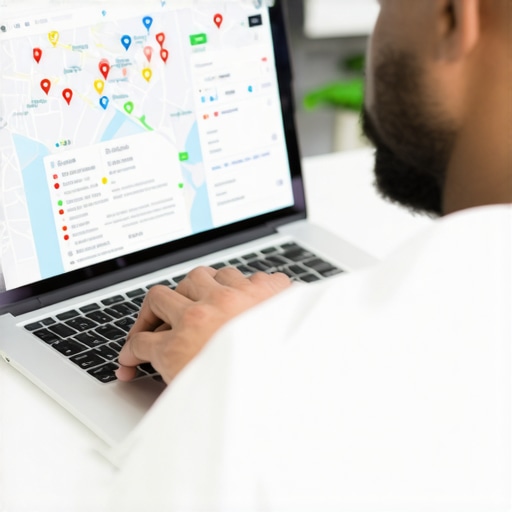
Create Localized Content That Converts
Content is your bridge to local customers. Write blog posts, FAQs, or event pages that incorporate your-targeted local keywords naturally. For example, I once created a blog for a pet store highlighting local pet events, which attracted neighborhood visitors searching for pet community activities. Consistency is key; posting weekly helps build authority and keeps your site fresh in Google’s eyes. Using a blog also allows you to target long-tail keywords that often have less competition and higher conversion potential. Remember, valuable content encourages shares and backlinks, amplifying your reach without spending extra.
Build Relationships with Local Influencers
Partnering with local bloggers or community figures can exponentially increase your visibility. I coordinated a small collaboration with a local fitness influencer who shared our gym’s new classes. Their genuine endorsement drove a significant uptick in foot traffic, all achieved through zero advertising spend—just smart relationship building. Seek out micro-influencers with engaged local followers; their endorsement feels authentic and can generate valuable backlinks to your site. Use social media platforms actively to identify and nurture these relationships.
Use Cost-Effective Backlink Strategies
Backlinks from reputable local sources improve your map rankings. Reach out to local directories, sponsorship opportunities, or community events to earn backlinks authentically. I once submitted a client to multiple local business directories, which not only boosted their SEO but also increased direct traffic. Focus on quality over quantity—backlinks from sites with local relevance and good domain authority matter most. You can also create shareable resources or infographics tailored to your community to attract natural backlinks.
Analyze and Refine Your Approach
Consistently monitor your rankings, website traffic, and local engagement metrics. Use free analytics that Google offers and adjust your strategies based on what’s performing best. For example, after tracking, I discovered that blog posts about specific local events generated more leads than generic content. Refining your focus ensures you allocate time and resources efficiently, maximizing ROI. Check out this resource for advanced optimization techniques.
Many believe that SEO costs should be minimal, thinking that cheap packages can replace comprehensive strategies. But in my experience, this misconception often leads businesses astray. The truth is, not all budget SEO is created equal—some cheap options lack the depth needed to sustain high Map rankings or local visibility. A common trap is assuming that low-cost services can deliver long-term results without ongoing optimization or strategic planning. This oversight can result in wasted resources and stagnating rankings.
Why do so many affordable SEO strategies fall short for local businesses?
Well, it’s because effective local SEO requires nuanced tactics—like keyword research, citation management, and reputation building—that can’t be fully addressed in budget packages if they are just thinly veiled cookie-cutter solutions. Expert sources like Moz emphasize that sustainable SEO success depends on tailored, multi-faceted approaches—something that low-cost, one-size-fits-all services rarely provide.
Another nuance is the emphasis on the quality of backlinks. Many inexpensive packages promise quick wins through uncontrolled link farms or spammy directories, which can actually harm your rankings in the long run. Instead, focus on earning authoritative backlinks from local business directories or partnerships, which requires strategic effort and sometimes, higher upfront investment. To navigate this, it’s crucial to evaluate whether a package offers personalized outreach or simply automates submissions.
Looking for a more effective approach? Consider exploring strategic SEO pricing techniques that align cost with results, ensuring your investment yields measurable growth. Remember, successful local marketing hinges on understanding that quality and strategy always trump cheap in SEO—think of it as planting seeds for long-term harvests rather than quick, superficial fixes.
Finally, beware of the myth that small budgets negate the need for expert guidance. Some think they can DIY their SEO and save money, but the reality is that without nuanced understanding, it’s easy to make costly mistakes—like neglecting mobile optimization or local citation consistency—that any expert knows how to address. For personalized advice tailored to your needs, reach out through this contact page.
Have you ever fallen into this trap? Let me know in the comments. Remember, the key to maximizing your local visibility isn’t just about cutting costs but understanding how to allocate your budget wisely to strategic, sustainable tactics.
Once you’ve set up your local SEO strategies, the real challenge is keeping those rankings steady and even climbing higher over time. I personally rely on a combination of specialized tools and disciplined routines to ensure my map listings stay competitive. For instance, I use BrightLocal for ongoing citation management and reputation monitoring. It’s a game-changer because it automates the process of tracking NAP consistency across hundreds of directories, saving me countless hours and preventing ranking drops caused by inconsistent data. Regularly auditing your citations is crucial; even minor discrepancies can hurt your local visibility, so making this a monthly habit is worth its weight in gold.
Another tool I trust is Google Search Console. It’s free, yet incredibly powerful for analyzing how your site performs in local search. I examine click-through rates, impressions, and position fluctuations, which helps me identify patterns or issues before they escalate. Pairing GSC insights with a localized content audit ensures I’m speaking directly to my neighborhood’s search intent, which bolsters my rankings organically.
Beyond analytics, I leverage Schema markup. Implementing LocalBusiness schema helps search engines understand your location, services, and reviews better. This subtle enhancement has resulted in richer snippets for my listings, translating into higher click-throughs. Remember, the future of local SEO is moving towards semantic understanding, so staying ahead with structured data usage is smart. You can explore Google’s official schema guide to refine your implementation.
To simplify long-term maintenance, I recommend setting up routine dashboards in tools like SEMrush or Ahrefs. These platforms can schedule weekly or bi-weekly scans for backlinks, keyword rankings, and site health issues—keeping you proactive rather than reactive. Remember, consistent monitoring helps detect SEO drifts early, allowing swift corrections that save time and preserve your hard-earned rankings.
Thinking about where local SEO is heading? The trend is undoubtedly moving towards automation and AI-driven insights. Platforms are increasingly integrating machine learning to help identify ranking factors and predict future changes. To stay competitive, embracing these advancements now is wise. For example, dedicating time this month to refine your local map optimization using AI-powered audit tools can be transformative.
How do I maintain my local rankings over time?
Establish a disciplined routine that combines citation audits, backlink reviews, schema updates, and performance analysis. Automate where possible, using advanced tools like BrightLocal, SEMrush, or Ahrefs to generate regular reports. Remember, ongoing engagement with your community—responding to reviews and posting fresh localized content—complements these technical efforts. Don’t forget to revisit your strategies quarterly, adjusting for algorithm changes and local market shifts. Start with one tactic—perhaps automating citation checks—and gradually build your maintenance routine. And if you need tailored guidance, check out this consult page to connect with expert advice. Keeping your local SEO working smoothly is a continuous process, but with the right tools and habits, you’ll sustain your visibility—and grow your local customer base for years to come.
Lessons That Changed My Approach to Local SEO Investment
One of the hardest lessons I learned was that not all affordable SEO packages deliver long-term results. Initially, I chose the cheapest options, thinking I was saving money, but I soon realized that strategic, well-structured packages tailored to my niche provided far better ROI. It taught me the importance of focusing on quality over price and understanding what real value looks like in local marketing efforts.
A surprising insight was how powerful local partnerships and content can be when done correctly. I once underestimated the impact of collaborating with community influencers, but they became catalysts for genuine engagement and backlinks that money can’t buy. This boosted my local presence exponentially without extra ad spend, reminding me that authentic relationships are priceless in local SEO.
Tools and Resources That Keep My Local SEO Finely Tuned
My go-to toolkit includes Google My Business optimization guides and citation management tools like BrightLocal. I trust these because they simplify complex tasks and ensure my listings stay consistent. Additionally, I follow industry blogs from Moz and BrightLocal that offer actionable advice tailored to small budgets, helping me stay ahead in the competitive local scene.
Seize the Moment: Take Charge of Your Local Visibility Today
The future of affordable local marketing is bright for those willing to adopt smart, strategic approaches. Remember, small businesses can dominate local maps by focusing on what truly matters—relevant content, strategic keyword targeting, and genuine community engagement. Don’t wait for perfect conditions; start today with what you’ve learned here, and watch your local map rankings soar.
What’s the first step you’re excited to implement in your local SEO journey? Let me know below and join the conversation!
,
Reading this post really resonated with my own journey in local SEO. I once poured a small fortune into a big agency, only to see minimal improvements in Maps rankings. It was frustrating, but it taught me that strategic, budget-friendly tactics can be just as powerful if you know where to focus. I started optimizing my Google My Business profile, regularly posting updates, and building local partnerships. Over time, these efforts paid off significantly.
What I found most helpful was leveraging free tools like Google Keyword Planner and GMB insights to refine my content and focus on low-competition, high-traffic keywords. It made me wonder, how do others balance time between content creation and technical optimization for local rankings? Do people find one more effective than the other in their experience? I’d love to hear everyone’s tips on maintaining momentum without blowing the budget.