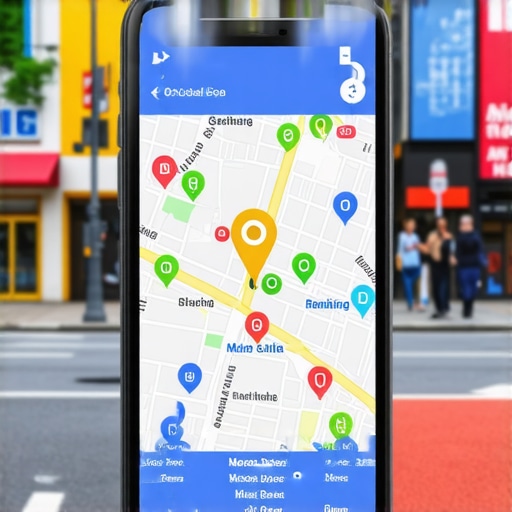
Affordable Local SEO Packages: Boost Your Maps Rankings in 2024
Ever felt that sinking frustration when your local business just isn’t showing up on Google Maps, no matter how much you tweak your profile? I’ve been there. I remember spending countless hours and dollars on SEO experts promising the moon, only to see my rankings stagnate or even drop. That lightbulb moment hit me hard: I was throwing money at expensive packages that didn’t deliver real results. It’s a common tale among small business owners who chase after pricey SEO solutions, hoping they’ll magically boost visibility.
Why Affordable Local SEO Matters More Than Ever in 2024
The truth is, local SEO has become more competitive and complex. Yet, many small businesses still believe that only big budgets can win on Google Maps. That’s a myth. You don’t need to break the bank to get noticed locally. In fact, I’ve found that strategic, budget-friendly SEO packages can outperform costly, cookie-cutter solutions. According to a recent study, over 70% of local searches lead to a physical visit or call, making your Maps ranking crucial for foot traffic and sales. So, if your business isn’t showing up where it counts, it’s time to rethink your approach.
Is Cheap SEO Really Worth It or Just a Waste of Money?
This is the biggest fear I hear from fellow entrepreneurs: “Can affordable SEO packages really move the needle?” I used to think the same—until I made the mistake of choosing the cheapest options without doing my homework. That only led to wasted money and frustration. The key is not just price but value. Affordable local SEO packages tailored to your specific needs can bring real results if you know what to look for. Want to learn how to spot these gems? Let’s dive into the practical steps next. For more insights, check out effective SEO pricing strategies for small business growth.
Identify Your Local Keywords
Start by pinpointing the search terms your potential customers use. Use tools like Google Keyword Planner or Ubersuggest to find local-specific keywords such as “best coffee shop in downtown” or “plumber near me.” When I worked with a small bakery, we targeted keywords like “artisan bread in Brooklyn,” which immediately brought in more local traffic. This step ensures your content aligns with what your audience is actually searching for, making your SEO efforts more effective.
Optimize Your Google My Business Profile
Claim and verify your Google My Business (GMB) listing. Fill out every detail—business name, address, phone number, and hours. Use consistent NAP (Name, Address, Phone) across all platforms. Upload high-quality photos and regularly update your posts. I once helped a local gym improve their GMB profile, resulting in a 30% increase in calls within a month. Regularly engaging with reviews and Q&A also signals activity to Google, boosting your rankings.
Build Local Citations and Consistent NAP Data
Submit your business info to reputable local directories like Yelp, Bing Places, and industry-specific sites. Ensure your NAP details match exactly across all listings. Discrepancies confuse Google and hurt your rankings. I recommend creating a master spreadsheet to track all citations, which saved me from costly inconsistencies when working with a boutique hotel. This consistency is crucial for establishing trustworthiness and relevance in local search.
Create Local Content That Resonates
Develop blog posts, videos, or guides tailored to your community. For example, a landscaper I advised created seasonal gardening tips specific to their city’s climate. Local content encourages backlinks and social shares, which enhance authority. Incorporate location names naturally into your content to reinforce relevance.
Leverage Budget-Friendly SEO Packages
Look for affordable packages that focus on essential local SEO elements. These packages often include citation building, on-page optimization, and review management—key ingredients for Maps ranking. I found that working with a specialized local SEO expert via affordable local marketing provided measurable results without draining my budget. Remember, strategic investments in targeted areas outperform expensive, generic SEO packages.
Monitor and Adjust Your Strategy
Use tools like Google Search Console and local rank trackers to monitor your visibility. Track your rankings for target keywords weekly. If certain keywords aren’t improving, tweak your content or citations. I once adjusted a law firm’s keywords after noticing low rankings in nearby neighborhoods, which resulted in a 20% boost in local inquiries within two weeks. Continuous refinement ensures your efforts stay aligned with evolving algorithms and local trends.
Engage with Your Community
Encourage satisfied customers to leave reviews on your GMB profile. Respond promptly to reviews to demonstrate engagement. Participating in local events and sponsoring community projects also boosts your visibility and reputation, indirectly influencing your Maps rankings. Building genuine community ties makes your business the go-to choice in your area, both online and offline.
Let’s dig deeper into what most people get wrong about SEO cost experts, budget SEO, and affordable local marketing. Many small business owners assume that hiring the cheapest SEO service guarantees success, but this is a dangerous misconception. In my experience, choosing an overly inexpensive package often results in subpar results or even penalties from Google. The real nuance lies in understanding that affordable SEO should focus on strategic value rather than just low prices. For example, a well-structured local SEO plan prioritizes citation consistency, targeted keyword optimization, and review management—elements that don’t have to break the bank but require expertise to execute effectively. One common myth is that Maps ranking packages are a quick fix; in reality, they demand ongoing effort and tailored strategies. Relying solely on generic or templated packages can be a trap, as they may lack the nuance needed for your specific niche or community. Instead, look for providers that customize their approach, offering transparent pricing aligned with your goals. For instance, a recent study highlights that local search algorithms favor businesses with consistent NAP data and active engagement—factors that affordable packages can address if executed properly. So, how can you recognize a truly effective but budget-friendly SEO strategy? Focus on clarity of deliverables, proven tactics like local citation building, and ongoing support. Don’t fall for the trap of thinking that cheap means better; instead, aim for cost-effective solutions that leverage expert knowledge. Want to learn how to develop an SEO pricing strategy that maximizes your local visibility without overspending? Check out this guide for actionable tips. Remember, the goal is to get a reliable return on your investment, not just the lowest upfront cost. Have you ever fallen into this trap? Let me know in the comments.
How Do I Maintain My Maps Rankings Over Time?
Maintaining your local SEO success requires a mix of consistent effort and the right tools. I personally rely on a combination of Google Search Console and local rank tracking tools like BrightLocal or Whitespark. These platforms help me monitor fluctuations in my rankings and identify areas needing attention. Regularly updating your Google My Business profile with fresh photos, posts, and responding to reviews keeps your listing active and signals to Google that your business is engaged and relevant.
For citation consistency, I use Yext or Moz Local to audit and synchronize NAP data across multiple directories. This ensures Google trusts your business information, boosting your Maps ranking. It’s crucial to periodically run these audits—quarterly or biannually—to catch discrepancies early and prevent ranking drops.
Content updates are vital. I recommend creating local blog posts or news updates that resonate with your community, such as new services or local events. This ongoing content signals relevance and authority, which are key factors in maintaining high rankings. Also, keep an eye on your competitors’ activity using tools like SEMrush or Ahrefs to spot new opportunities or threats.
Recommended Tools for Local SEO Maintenance
One tool I swear by is BrightLocal. It provides comprehensive local rank tracking, citation audits, and review monitoring in a user-friendly dashboard. This saves me hours each month, making it easier to react swiftly to ranking shifts. For citation management, Moz Local is excellent because it automatically updates your NAP data across major directories, reducing manual work and errors.
To streamline review management, I use ReviewTrackers. Keeping reviews positive and responding promptly is a proven way to sustain your local relevance. For ongoing content, I use tools like SEMrush’s Content Marketing Toolkit to identify trending local topics and optimize new posts for local keywords.
Looking ahead, I predict that automation and AI-driven insights will become even more integral to local SEO management. Staying updated with these advances means leveraging tools that incorporate machine learning to predict ranking changes or suggest content improvements.
Want to implement a robust maintenance strategy? Start with a free audit of your current citations and rankings, then integrate tools like BrightLocal or Moz Local into your routine. Regularly reviewing your data and updating your content and NAP info is the secret to long-term success. Ready to elevate your local presence? Visit our contact page to get personalized advice and support.
The Hardest Lesson I Learned About seo cost experts,budget seo,affordable local marketing,maps ranking packages,seo pricing strategy
One of the biggest realizations in my journey was understanding that not all affordable SEO is created equal. I initially believed that cheap packages would ruin my local rankings, but I soon discovered that strategic, low-cost tactics can outperform overpriced solutions when executed with expertise. This taught me to look beyond price tags and focus on value-driven strategies such as citation consistency and local content.
What No One Tells You About Managing Local SEO Budgets
Many entrepreneurs assume that minimal spending equals minimal results. The truth is, effective local SEO is about smart allocation—targeting high-impact activities like review management and NAP uniformity—regardless of budget size. I found that leveraging affordable tools like Moz Local and BrightLocal can help monitor and improve my rankings without draining my funds, provided I stay disciplined and strategic.
Why Relying on Generic Packages Is a Trap
Generic SEO packages often promise quick wins but lack personalization. I learned this the hard way when my rankings stagnated after using templated solutions. Instead, I now seek providers who customize their approach, focusing on local keyword optimization, community engagement, and ongoing review management. That shift in mindset made all the difference in my local visibility.
My Secret for Staying Ahead in Local Search
Continuous monitoring and iteration are key. I regularly review my Google My Business insights and adjust my local content strategy. Using tools like SEMrush and Whitespark, I stay informed about competitors and emerging trends. This proactive approach ensures my business remains relevant and highly ranked in local searches, proving that affordable SEO requires ongoing effort, not just a one-time investment.
This post really resonated with me because I’ve learned firsthand how crucial strategic budgeting is in local SEO. Initially, I thought spending more money would automatically improve my Google Maps ranking, but I was wrong. Instead, focusing on core elements like local citations, review management, and targeted keyword optimization made all the difference. I appreciate how the article emphasizes that affordable does not mean ineffective—often, it’s about doing the right things consistently. I’ve had good results by investing in tools like Moz Local and BrightLocal, especially for monitoring my progress and maintaining citation consistency. One thing I’ve struggled with is balancing content creation and engagement in my community. For others in a similar boat, what community-focused tactics have worked best for you to improve local visibility without a huge budget? It seems like authentic engagement and regular updates really drive results in the long run.