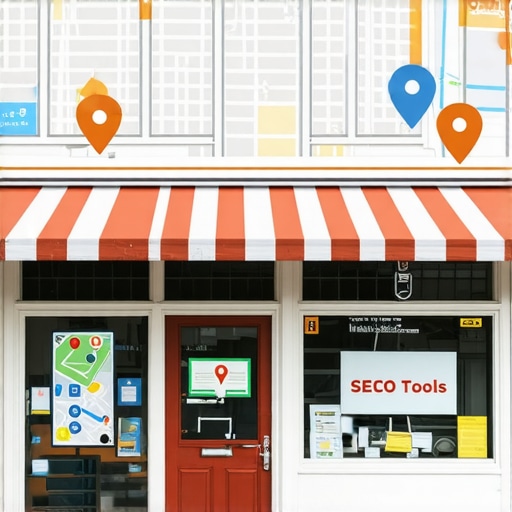
Best Budget SEO Pricing Strategies for Local Map Optimization Success
I still remember the moment I realized I was throwing money at SEO agencies without seeing real results. It was frustrating, watching my small business’s local map rankings stay stagnant despite hefty investments. That lightbulb moment hit me hard—there had to be a smarter, more affordable way to boost my local visibility without draining my budget.
Why Affordable SEO Matters More Than Ever
Today, local SEO isn’t just a luxury; it’s a necessity for small businesses trying to stand out in crowded markets. However, many entrepreneurs shy away from SEO because of the fear of skyrocketing costs. I get it. When I started, I made the mistake of believing that only expensive packages could deliver results. Turns out, that’s not true.
According to a recent study, 70% of consumers visit a store within five miles after searching online. That’s a huge chunk of potential customers just waiting to find your business—and you don’t need to spend a fortune to get noticed.
Are budget-friendly SEO tactics really effective?
Early on, I believed that cheap SEO was a waste of time. I thought, “If it’s affordable, it can’t work.” That was a mistake I paid dearly for. Instead of investing in smart, targeted strategies, I wasted money on generic campaigns that brought little more than a small bump in rankings. It’s crucial to focus on proven, cost-effective methods—like optimizing your Google My Business profile, building local citations, and creating content that resonates with your community.
If you’re facing similar struggles, you’re not alone. Many small business owners miss out on local map opportunities because they think they need a big budget. But the truth is, with the right approach, you can get found locally without breaking the bank. Want to learn how? Keep reading, because I’ll share the most effective budget SEO strategies for 2024—methods I’ve used myself and seen work for countless others.
And if you’re ready to dive right in or need personalized guidance, don’t hesitate to reach out. Getting your local map rankings up doesn’t have to be complicated or expensive—just smart.
Start with Your Google My Business Profile
Your GMB listing is the cornerstone of local map rankings. Claim and verify your profile, then optimize every detail—business name, address, phone number, and categories. Add high-quality photos and regularly update posts to stay active. This boosts your visibility and signals relevance to local searches. I once spent a few hours updating my GMB, and within days, I saw a noticeable uptick in local inquiries.
Build Local Citations Strategically
Consistent NAP (Name, Address, Phone) data across reputable directories can significantly impact your local SEO. Focus on niche directories related to your industry and local chambers of commerce. Avoid mass submissions to low-quality sites, as they can do more harm than good. I targeted a handful of local directories, ensuring uniform information, which helped my business climb the local pack rankings faster.
Create Community-Focused Content
Develop blog posts, guides, and videos that resonate with your local audience. Share stories about local events, collaborations, or customer success stories. This not only attracts backlinks but also encourages local engagement. I once organized a small event and documented it online, which gained local attention and improved my map rankings.
Leverage Cost-Effective Link Building
Build backlinks from local blogs, newspapers, and community sites. Reach out with personalized pitches explaining how your business benefits the local community. These backlinks are affordable and powerful signals for map rankings. I found that hosting a local event and inviting bloggers resulted in natural backlinks and increased local visibility.
Optimize Your Website for Local Search
Use location-specific keywords naturally within your website content, meta descriptions, and headers. Implement local schema markup to help search engines understand your business location. I added schema markup to my contact page, which helped Google display my business info directly in search results, boosting click-through rates.
Track Results and Adjust Tactics
Use free tools like Google Search Console and Google Analytics to monitor your local search traffic and map pack visibility. Adjust your strategies based on what works—double down on successful tactics and refine less effective ones. I learned that focusing on local reviews and updating my GMB regularly yielded the best results over time.
Remember, affordable local SEO isn’t about quick wins but consistent, strategic efforts. For more insights on budget-friendly SEO tactics, check out this guide.
Many small business owners enter the world of local SEO believing they need to spend a fortune to see real results. But this is a misconception that can trap you into unnecessary expenses. Let’s dig deeper into what most people get wrong about affordable local SEO and how understanding the nuances can save you money while boosting your rankings.
Why Do People Believe Big Budgets Are Necessary?
The myth that only high-cost SEO packages deliver results stems from the misconception that SEO is purely about throwing money at backlinks and ads. While those tactics are part of the puzzle, they are not the whole story. Expert strategies focus on targeted, sustainable actions—like optimizing your Google My Business profile and building local citations—that provide long-term value without draining your budget.
In fact, a study published by Moz indicates that local pack rankings are heavily influenced by relevance, distance, and prominence. Achieving these factors doesn’t require a large spend; it requires strategic effort. Understanding this helps you prioritize your efforts efficiently.
The Hidden Trap: Overemphasizing Backlinks
Many believe that acquiring a large number of backlinks is the key to dominating local search results. However, quantity often trumps quality, and low-quality backlinks can actually harm your rankings. The real secret is building high-quality, locally relevant backlinks—think collaborations with local blogs, chambers of commerce, or community organizations. This approach not only improves authority but also reinforces your local relevance.
Be cautious not to fall into the trap of mass link-building schemes, which are common in cheap SEO offerings. Instead, focus on creating genuine relationships and content that naturally earns backlinks. For example, hosting a local event and inviting bloggers has proven effective for many in my experience.
Advanced Tip: The Role of Schema Markup in Local SEO
One often overlooked nuance is the use of schema markup—structured data that helps search engines understand your business details better. Implementing local schema can enhance your appearance in search results with rich snippets, increasing click-through rates and visibility. This is a subtle but powerful tactic that doesn’t require a big budget, just a bit of technical know-how. Learn more about schema implementation here.
Have you ever fallen into this trap? Let me know in the comments. Remember, the key to effective local SEO isn’t just about spending more; it’s about understanding what works best for your budget and focusing on strategic, sustainable efforts.
How do I keep my local SEO efforts thriving over time?
Maintaining your local map rankings requires a combination of consistent monitoring, strategic adjustments, and leveraging the right tools. Over the years, I’ve refined my approach by using specific software and methods that deliver long-term results without draining my budget.
First, I rely heavily on Google Search Console and Google Analytics. These free tools give me valuable insights into how visitors find my business, which keywords drive traffic, and how my map pack rankings fluctuate. Regularly reviewing this data helps me identify what’s working and where I need to pivot.
For local citation management, I use BrightLocal. This platform simplifies the process by auditing existing citations, ensuring NAP consistency, and identifying new opportunities. Its local rank tracker is invaluable for measuring improvements and spotting potential issues before they impact my visibility.
To streamline content updates and social engagement, I turn to Buffer. Scheduling posts about local events, customer stories, or promotional offers keeps my business top-of-mind and signals activity to Google. Consistency is key, and Buffer makes this manageable even during busy times.
Implementing schema markup is another essential step. I recommend Google’s official documentation for structured data. Adding local schema to your website helps search engines understand your business better, often leading to enhanced visibility through rich snippets.
Looking ahead, I predict that automation and AI-driven insights will play an increasingly vital role in local SEO. Tools that analyze local search trends and suggest optimizations will become more accessible, making it easier for small businesses to stay competitive without hefty investments.
If you’re ready to take your local SEO to the next level, I encourage you to try integrating schema markup and leveraging tools like BrightLocal. These steps will help safeguard your rankings and adapt to future algorithm changes. Curious to learn more? Reach out to us for personalized guidance tailored to your business needs.
The Hardest Lesson I Learned About Budget SEO
One of my biggest lightbulb moments was realizing that I was chasing expensive backlinks and paid ads while ignoring the fundamentals that truly move the needle locally. The lesson? Focus on relevance and consistency—these are often overlooked in cheap SEO packages but are what really boost your local map rankings.
3 Myths About Local SEO That Held Me Back
First, that you need to spend a fortune to rank well. Second, that backlinks alone determine your visibility. And third, that once you optimize your Google My Business, you’re set for the long haul. Challenging these myths helped me reallocate my efforts and budget more wisely, leading to tangible results.
What Experts Won’t Tell You About Cheap SEO Strategies
Many so-called experts promote quick-fix backlink schemes or mass directory submissions, but these often do more harm than good. The real value lies in building local relationships, creating community-focused content, and optimizing technical aspects like schema markup—cost-effective tactics that yield sustainable growth.
My Essential Toolkit for Local SEO Success
- Google Search Console and Analytics: Free tools that provide insights into your local search performance and help refine your strategy.
- BrightLocal: An affordable platform for managing citations, reviews, and local rankings—trustworthy because it simplifies complex processes.
- Structured Data Markup Helper: Google’s free tool for adding schema markup, making your business more visible with rich snippets.
- Local Blogs and Community Sites: Building backlinks here is affordable and highly relevant, boosting your authority and relevance.
Take Action and Make a Difference Today
Local SEO success doesn’t require a massive budget—just smart, consistent effort. Start by optimizing your Google My Business, build genuine local relationships, and leverage free or affordable tools to track your progress. Remember, the key is sustainability—small steps lead to big wins over time. Curious about more budget-friendly tactics? Explore our detailed guide or reach out for personalized advice. Your local map rankings are within reach—start today!
Reading this post really resonated with my own experience—initially, I thought investing in SEO agencies was the only way to make progress, but I quickly realized that strategic, targeted efforts can be just as powerful and far more affordable. Personally, focusing on optimizing my Google My Business profile and building local citations has yielded much better results than costly paid campaigns. I especially agree with the emphasis on community-focused content; sharing local stories and collaborating with neighborhood organizations has significantly boosted my local presence.
One challenge I faced was maintaining consistent engagement over time, especially with limited resources. I’ve found scheduling tools like Buffer to be a game-changer for staying active without extra effort. How do others keep their local SEO efforts consistent and effective, particularly when working with a lean budget? It seems that a combination of quality content, technical optimizations like schema markup, and genuine community involvement creates the most sustainable growth. I’d love to hear what tactics others find most effective for long-term results.
This post really hits home for me because I’ve seen firsthand how focusing on essential, affordable SEO tactics can yield impressive results without breaking the bank. Starting with your Google My Business optimization and maintaining consistent local citations gave my small shop a noticeable boost in local visibility within just a few weeks. I totally agree that community-focused content, like sharing customer stories and local events, helps build genuine engagement and authority. One thing I’ve found helpful is setting a simple content calendar to stay consistent, even with limited resources.
Regarding maintaining effort over time, do you think automating some social posts or reviews can help sustain momentum? I’ve used scheduling tools like Buffer and plan to experiment more with review prompts to keep my ratings high, which I know influences map rankings. It seems that combining these strategic yet budget-friendly approaches keeps a small business competitive locally. What’s been your experience with balancing content creation and technical SEO upkeep over the long haul? Would love to hear how others manage sustainable growth on a lean budget.
This post really underscores the importance of focusing on fundamental, cost-effective SEO strategies for local businesses. Like many, I initially believed that only big marketing budgets could make a difference, but experience has shown me the power of targeted efforts like optimizing Google My Business and building genuine local links. I’ve also found that consistent engagement through community involvement and regularly updating my listings have provided sustainable results.
One challenge I’ve faced, though, is balancing the time needed for ongoing content creation with limited resources. Automating social media posts or review requests has helped, but I wonder—how do others manage to keep their local SEO efforts fresh and effective without feeling overwhelmed or stretched too thin? Are there particular tools or tactics that have made a noticeable difference in maintaining long-term consistency? I’d love to hear other small business owners’ tips for staying motivated and organized while working with a lean budget. It’s encouraging to see that steady, smart efforts can truly pay off.