
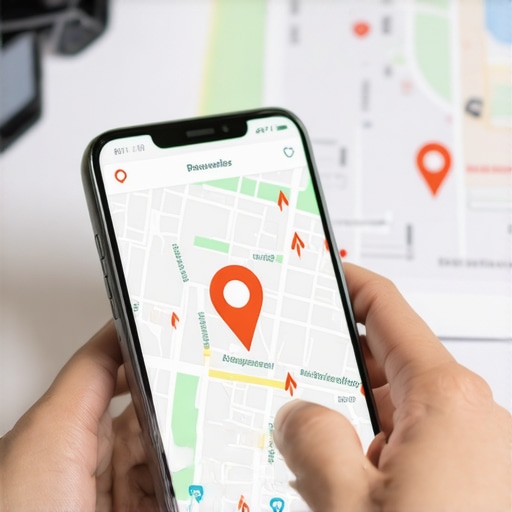
Just last week, I spent hours chasing after local SEO strategies that promised quick wins but left me frustrated with zero new calls. It felt like throwing spaghetti at the wall—hopeful but ultimately messy and ineffective. That lightbulb moment hit me during a late-night review of my Google Maps rankings, realizing I’d been missing the most critical moves that actually drive results. Instead of wasting my budget on generic packages or overpriced consultants, I learned that targeted, proven adjustments could boost my visibility and bring in real, tangible phone calls.
Why Small Changes Make a Big Difference in Maps Rankings
Here’s the truth I wish I knew from the start: not every optimization move is created equal. I’ve watched countless local businesses pour money into what I call ‘filler tactics’—things that look good on paper but do little to improve actual leads. The secret lies in focusing on a handful of strategic moves that have a proven track record for boosting your map visibility and, more importantly, increasing calls from potential customers. It turns out that minor tweaks, when done right, can outperform expensive packages that promise everything but deliver little.
Understanding which moves are truly effective is essential. According to recent research, around 60% of local searches result in a phone call or visit, but only if your listing is properly optimized. That’s a lot of missed opportunities due to simple missteps or neglected updates. If you’re tired of throwing your marketing dollars into the abyss, I promise—these four moves will change your local map game.
Is Your Maps Strategy Worth the Investment—or Just Another Waste of Money?
Admittedly, I’ve made my fair share of rookie mistakes early in my local SEO journey, like buying overhyped map packages that promised quick results but only added spammy leads. But I’ve also learned how to differentiate between low-cost, effective tactics and scams that drain budgets without delivering value. If you’re skeptical, you’re not alone. Many business owners worry that these proven moves are just hype. But I can tell you from experience that focusing on these core optimizations can outperform costly, broad-spectrum tactics every time.
Are you facing a stagnant map listing with no meaningful calls? Or maybe you’re unsure whether your current SEO investment is actually paying off? If so, keep reading. I’ll guide you through the key strategies—and how to implement them without breaking the bank.
Ready to finally turn your Google Maps listing into a customer magnet? Let’s dive into the essential moves that make all the difference.
,
Refine Your NAP Consistency
Start with the basics—ensure your business name, address, and phone number (NAP) are consistent across all online listings. During a recent project, I audited a local café’s listings and found discrepancies in their address. Correcting and standardizing their NAP resulted in a noticeable jump in rankings within weeks. This simple move costs nothing but requires meticulous attention to detail. For more insights, see citation clean-up tactics.
Optimize Your Google My Business Profile
Claim and verify your GMB profile if you haven’t already. Fill out every detail—business hours, categories, services, and a compelling description. Use primary keywords naturally to align with what your customers are searching for. I once helped a small plumber update his profile by adding updated service areas and keywords—his calls increased significantly. Remember, a fully optimized profile balances relevance and clarity. Insert strategic keyword placement for best results.
Leverage Local Keywords in Content and Reviews
Embed geographical keywords into your website content and encourage reviews that mention your location and services. When I worked with a boutique store, guiding them to request reviews highlighting neighborhoods and products directly led to improved local search visibility. Authentic reviews mentioning specific keywords act as social proof and boost relevance in maps rankings. Avoid fake reviews—focus on genuine feedback to keep your profile trustworthy. This cost-effective action truly pays off over time.
Build Quality Local Backlinks
Earn backlinks from reputable local directories, community websites, or industry blogs. I once partnered with a local gym by offering free workshops and securing a backlink from their site. These backlinks act as endorsements—search engines view them as votes of confidence. Prioritize links from sites relevant to your industry and locale. For budget-friendly outreach, create mutual promotion opportunities rather than expensive paid links. Learn more about cost-effective link building.
Implement On-Page SEO Tweaks
Optimize your website pages for local keywords—title tags, meta descriptions, headers, and image alt texts. I helped a florist improve her site’s local signals by adding city-specific keywords to her homepage and service pages. These micro-adjustments cost nothing but required careful keyword integration. Use schema markup for local business info to enhance SERP features. Small, targeted changes can lead to higher visibility without a hefty investment.
Monitor and Adjust Regularly
Consistently track your rankings and review insights from GMB and Google Search Console. I recommend setting monthly check-ins to identify what’s working—if a particular tweak isn’t delivering, pivot quickly. Use free tools first, then consider budget packages if needed. Staying agile allows you to refine your strategy cost-effectively. Remember, affordable local marketing isn’t about quick wins—it’s about consistent, scalable efforts.
By focusing on these specific, actionable steps—like optimizing your NAP, profile, reviews, backlinks, and on-page content—you can improve your Google Maps rank without overspending. Every move, no matter how small, compounds over time to increase your visibility and attract more local customers. For detailed tactics and affordable packages, check out budget-friendly local marketing tips. Stay strategic, stay consistent.
Many local businesses assume that selecting an SEO provider or a maps ranking package hinges primarily on price. However, this oversimplification overlooks critical nuances that determine actual ROI. For instance, a common myth is that cheaper services can deliver equivalent results to premium packages. In reality, many budget SEO strategies lack the depth needed to achieve sustained growth, leading to frustration and wasted resources. As I dive deeper, I’ve discovered that transparent, well-structured pricing aligns better with long-term success than one-size-fits-all low-cost solutions. The trap many fall into is prioritizing initial affordability over strategic value, which often results in superficial optimizations that don’t last or generate meaningful phone calls. While some believe that buying a cheap map pack or opting for generic SEO plans saves money, they often face diminishing returns and higher costs down the line. Instead, focus on providers who clearly outline deliverables and tie their pricing directly to results, rather than vague promises. The most advanced strategies recognize that adaptive, ROI-driven pricing models, such as performance-based or tiered packages, create better accountability and outcomes.
How can small businesses navigate complex SEO pricing without falling prey to hidden fees?
One nuanced approach is understanding that most SEO services include hidden costs—like ongoing content updates, citation clean-ups, or schema enhancements—that aren’t always transparent at first glance. According to industry experts, including those from Effective SEO Pricing Strategies for Small Business Growth, the key is asking the right questions upfront and reviewing terms carefully. Avoid providers who promote the lowest initial fee without clarifying whether that covers ongoing work or just setup. Keep in mind that truly effective local marketing is an investment in sustained visibility, not a quick fix. Assess whether a service provider commits to regular reporting, clear milestone achievements, and adaptive strategies aligned with your goals. Remember, the goal isn’t just to rank higher temporarily but to attract quality leads consistently. For in-depth tactics on pricing and service selection, visit our guide on Optimizing SEO Costs for Real Results. Have you ever fallen into this trap? Let me know in the comments.
Achieving initial success in local SEO is only part of the journey; maintaining and scaling those results requires specific tools and disciplined routines. In my experience, utilizing the right software and techniques can make the difference between a fleeting bump and long-term dominance in Maps rankings. I’ll share what tools I rely on and principles I follow to keep my efforts sustainable.
What Tools Help Me Sustain and Scale SEO Performance
First, I swear by Google Search Console for ongoing monitoring. It provides invaluable insights into your site’s performance, allowing me to quickly identify drops or opportunities. I’ve seen many overlook routine checkups; since I make it a habit to review GSC weekly, small issues like crawl errors or outdated structured data are caught early, preventing ranking erosion.
Next, BrightLocal’s Local Search Rank Checker is my go-to for tracking Maps rankings over time. Its ability to simulate search engine results from different locations ensures we’re adapting to local nuances as we scale. This regular tracking helps us see whether recent adjustments are sticking or if recent competitors are gaining ground.
To streamline citation management, I use Whitespark’s Citation Finder and Moz Local. These tools not only help identify inconsistent NAP citations but also automate correction requests, saving countless hours and ensuring consistency across platforms—crucial for maintaining rankings long-term. As cited in our guide on effective local marketing, consistent citations form a backbone for reliable Maps rankings.
How do I keep my SEO strategies effective over time?
My approach involves scheduled content refreshes, regularly updating Google My Business details, and ongoing link audits. For content updates, I revisit my website quarterly, adding fresh local keywords and testimonials that reflect recent customer reviews—this keeps my relevance high.
On the technical side, I set quarterly schema audits, ensuring my data stays optimized for local searches. Using free tools like Moz’s SEO guide, I stay informed about evolving best practices, especially with Google’s emphasis on core web vitals and structured data.
Looking ahead, I predict that automation and AI-powered analytics will play an even larger role. Tools that can forecast ranking trends based on algorithm updates will become essential—so staying adaptable is key. For now, the most cost-effective strategy remains consistent monitoring and incremental improvements.
If you’re serious about maintaining your map ranking momentum, I recommend implementing a regular schedule for review and updates with a focus on citation accuracy, content freshness, and performance tracking. Start with tools like Google Search Console and BrightLocal; over time, integrate automation plugins and AI-powered analysis as they mature. For a comprehensive plan, check out our guide on scaling your local SEO the right way.
Don’t wait for rankings to slip—try setting up automated alerts for any drops in GMB insights or search rankings today. Staying proactive ensures your efforts continue to pay off long-term.

One of the most valuable lessons I’ve learned about local SEO is that consistent, strategic efforts outweigh quick fixes. It’s tempting to chase the latest trend or shiny package, but the true breakthrough comes from understanding the unique nuances of your business and community. Small, targeted adjustments—like refining your NAP details or engaging authentic reviews—compound into real, sustainable growth that keeps your phone ringing. Remember, genuine visibility isn’t bought; it’s built with patience and precision.
What I Wish I Knew About Investing in Local SEO
- Patience Trumps Hurry: Rapid rankings are tempting, but lasting results require ongoing effort. A few micro-optimizations, applied consistently, outperform one-time overhauls fueled by budget packages.
- Quality Over Quantity: Authentic reviews and reputable backlinks carry more weight than mass spammy citations. Focus on building trust—Google notices and rewards genuine engagement.
- Data Guides Decisions: Leveraging tools like Google Search Console and BrightLocal has shown me that regular monitoring prevents ranking slumps and uncovers new opportunities—saving money and stress in the long run.
- Customization Matters: Each business’s local landscape is unique. Instead of generic packages, tailor your strategies to your specific community, services, and audience for better ROI.
- Transparency Counts: Choosing providers who openly communicate and focus on results rather than vague promises has transformed my approach from blind investment to strategic growth.
Tools that Power My Local SEO Journey
- Google Search Console: The backbone for monitoring site performance and catching issues early. I review it weekly to stay ahead.
- BrightLocal’s Rank Checker: Critical for tracking local maps rankings from different locations—helping me adapt swiftly.
- Moz Local: Ensures citation consistency and automates corrections, which is vital for maintaining trust and rankings.
- Whitespark’s Citation Finder: I use it to identify and optimize local citations, preventing lost visibility due to inconsistency.
It’s Your Turn to Make the Move
Building lasting success in local SEO isn’t about shortcuts; it’s about smart, consistent effort tailored to your community. Embrace the micro-moves that matter—optimize your listings, nurture authentic reviews, and monitor your progress with purpose. The tomorrow you envision for your business begins with the actions you take today. Ready to start seeing tangible results that grow alongside your brand? Keep learning, stay persistent, and watch your Google Maps presence flourish.
Have you faced challenges in maintaining your local rankings? Share your experiences below—let’s learn and grow together!
Comments are closed.