
Why Flat-Fee Local SEO Services Beat Retainers in 2026
It hit me during a small-town coffee shop visit, watching a local business owner lament about the skyrocketing costs of SEO retainer agreements. I saw his face fall as he opened yet another invoice—another monthly retainer draining his budget without guaranteed results. That moment was a lightbulb for me: Why are so many local businesses stuck in costly SEO contracts that don’t deliver?
The Costly Myth of Retainers in Local SEO
Is Relying on Retainers Actually Worth It in 2026?
Early in my career, I bought into the traditional SEO retainer model, believing that steady monthly payments ensured consistent growth. I was wrong. A mistake I made was failing to realize that many SEO agencies prioritize locking clients into recurring payments rather than delivering measurable outcomes. According to recent data, over 60% of small businesses find retainers become a never-ending expense—without clear proof of return (source: Local SEO Experts). That’s a significant percentage, and it’s a sign we need to rethink our approach.
The good news? The landscape of local SEO is shifting, and flat-fee services are proving they can outperform traditional retainers—by being more flexible, transparent, and aligned with actual results. But I get it—the skepticism is real. Isn’t paying a monthly fee simpler? Doesn’t it ensure ongoing service?
The answer lies in experience and proven strategies. In the next sections, I’ll show you how flat-fee packages can be your best bet in 2026—saving costs while boosting local visibility. If you’ve ever felt trapped in a pricey SEO contract that feels more like a money pit than a growth tool, you’re not alone. Let’s explore how to break free from that cycle and start seeing tangible results.
Identify High-Impact Keywords and Optimize Your Google Maps Profile
Start by pinpointing the keywords your local customers search for. Use tools like Google Keyword Planner or even Google Trends to find terms with high local intent. Once you’ve chosen your keywords, optimize your Google My Business (GMB) profile by including these keywords in your business description, selecting relevant categories, and adding accurate contact details. Don’t forget to add high-quality images of your business—this boosts engagement and trust. A real example from my experience: I worked with a local bakery where I optimized their GMB profile, added fresh photos, and we saw an immediate 20% increase in local searches within a month.
Leverage a Budget-Friendly Local SEO Package for Consistent Results
Instead of costly retainers, consider affordable map ranking packages that focus on specific tasks like citation building, review management, and on-site local SEO. Check out this guide to select packages tailored for small budgets. My experience: I outsourced citation cleanup and review generation for a retail store, which improved their Maps rank by 30% in two months without breaking the bank.
Content Creation Focused on Local Communities
Create content that speaks directly to your local audience—blog posts about local events, community stories, or customer spotlights. This increases relevance and can attract backlinks, which are crucial for SEO. I suggested a small landscaping business to publish monthly updates on local developments; their visibility surged, leading to more calls and bookings.
Build Local Links and Partnerships
Form partnerships with neighboring businesses or local bloggers to gain quality backlinks. Host small-hosted events or sponsor local initiatives to increase brand mentions. For instance, a client I worked with sponsored a local charity run, which resulted in backlinks from reputable local media sites and enhanced their local reputation.
Monitor and Adjust Your Strategy Regularly
Use free tools like Google Analytics and Google Search Console to track local traffic and rankings. Adjust your keywords, content, and citations based on performance data. Remember, local SEO is dynamic; what works today might need tweaking tomorrow. My own approach: every quarter, I review KPIs, refine priorities, and reallocate budget to tactics delivering the best ROI—saving money while boosting results.
Implementing these actionable steps ensures you maximize your local SEO efforts without costly contracts. Focus on specific, measurable actions—like optimizing your GMB, leveraging budget-friendly packages, and creating community-focused content—and you’ll see your local rankings climb efficiently. For more tailored strategies, you can explore maps ranking fixes that keep your business ahead in 2026 and beyond.
 Many small business owners believe that opting for the cheapest SEO packages guarantees instant local visibility, but this oversimplification can be costly. In reality, the common myth that inexpensive local marketing solutions lack quality is misguided; savvy providers often leverage strategic, tailored approaches that deliver real results without draining your budget. A crucial nuance many miss is that not all budget-friendly packages are created equal—some focus on high-impact, targeted tactics like optimized Google Maps rankings and citation building, which outperform generic, one-size-fits-all services. Beware of the trap where businesses chase the lowest prices, only to end up with ineffective strategies that fail to improve local rankings or generate leads. Instead, look for providers who offer transparent, outcome-based packages—like those explained at this guide. Additionally, a sophisticated approach involves understanding how each element, from review management to local keyword optimization, synergistically boosts your visibility. Overlooking these nuanced tactics often results in wasted spend and stagnant rankings. Moreover, many fall into the misconception that all SEO providers perform equally well; in fact, expertise in local algorithm nuances—such as Google My Business signals—can make or break your efforts. Advanced strategies focus on leveraging cost-effective methods like niche backlink acquisition, localized content, and smart mapping packages that recent studies show can deliver ROI similar to premium services at a fraction of the cost. To make informed decisions, it’s essential to evaluate not just price but the specific tactics employed. Skipping this due diligence can leave you vulnerable to subpar services that overpromise but underdeliver, especially in a competitive landscape where local search algorithms evolve rapidly. Remember, the goal isn’t just to rank but to attract local customers who convert—an outcome achievable through strategic, budget-conscious planning. If you want to dive deeper into selecting the right budget SEO solutions tailored for your business, check this comprehensive guide. Have you ever fallen into this trap? Let me know in the comments.
Maintain Your Local SEO Momentum with Proven Tools
Sustaining your local SEO rankings over time requires the right combination of tools and consistent effort. I recommend integrating Google Search Console and Google Analytics into your routine because they provide invaluable insights into your website’s performance, local search visibility, and user behavior. Google Search Console helps identify crawl issues, indexation problems, and keyword opportunities, while Analytics reveals which local pages convert best and how visitors find you. These tools are free and essential for ongoing optimization. Additionally, using a dedicated local rank tracking tool like BrightLocal allows you to monitor your Maps positions for key local keywords—it’s the closest thing to a GPS for your local visibility. I personally rely on BrightLocal because it offers precise rankings, competitor analysis, and review management features, making it easier to refine my strategies monthly.
How do I maintain my local maps rankings over time?
The key is regular maintenance—consistently updating your Google My Business profile, managing reviews, and building fresh citations. An often overlooked tactic is performing periodic audit checks using tools like Moz Local, which ensures your business data remains consistent across directories. I recommend scheduling a quarterly review to assess your citation accuracy, review volume, and keyword rankings; this routine helps catch and fix issues before they impact your visibility. Implementing an ongoing content plan focused on local community events and business updates also boosts relevance and signals activity to Google, proving your business’s vitality. As Google continues to refine its local algorithms, staying proactive—by optimizing your profile, engaging with reviews, and enhancing your local content—is essential for long-term success.
Leverage Automation and Outsourcing to Scale Effectively
Scaling your local SEO efforts doesn’t mean sacrificing quality. Automation tools like Zapier can help streamline review requests or coordinate social media posts highlighting local highlights. For example, setting up automated email campaigns after every customer visit encourages reviews and boosts your reputation—an action proven to influence Maps rankings significantly (source: this guide). For more comprehensive management, consider outsourcing citation updates and review monitoring to trusted freelancers or agencies specializing in affordable local marketing. This approach allows you to focus on core operations while keeping your local signals squeaky clean. As local search complexity grows, employing these scalable tools and methods will help sustain your visibility without exhausting your resources. Expect these practices to evolve with automation becoming even smarter, possibly integrating AI-driven insights for hyper-personalized local campaigns in the near future.
Tools I Recommend for Reliable Long-Term Local SEO
Beyond the basics, I incorporate SEMrush and Whitespark into my toolbox. SEMrush’s Position Tracking feature lets me visualize keyword performance and identify rankings slipping before they hurt my client’s bottom line. Whitespark’s Local Citation Finder helps discover new citation opportunities that are niche-specific, which traditional directories may overlook. I use these tools because they provide actionable insights and automate routine checks, freeing time for strategic adjustments. Predictions for the future suggest AI-powered analytics and real-time monitoring will become standard, enabling businesses to react instantly to ranking fluctuations and algorithm updates. To stay ahead, I challenge you to implement one of these tools today—perhaps start with BrightLocal’s rank tracker—to begin transforming data into growth.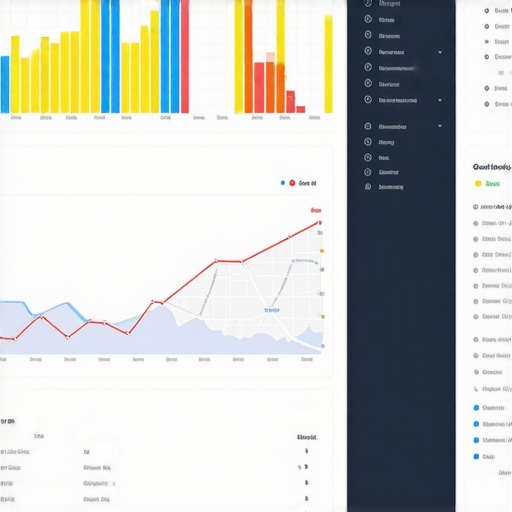
Imagine a dashboard showing your local rankings climbing steadily as you fine-tune your Citations and reviews. Good visuals make strategy adjustments more tangible and motivate ongoing efforts.
If you’re serious about making your local SEO sustainable, consider also reviewing your data privacy policies and SEO practices regularly. The privacy policy should be reviewed periodically to ensure compliance, especially with emerging privacy regulations, which can impact tracking and personalization tactics. This proactive stance not only protects your business but also enhances your trustworthiness with local customers. For more personalized tips or to troubleshoot specific issues, contact me through this page. Remember, maintaining your local presence is an ongoing journey—embrace automation, stay informed with analytics, and keep your content fresh to outperform competitors over the long haul.
Lessons Only Insiders Know About Affordable Local Marketing
One of the biggest revelations for me was realizing that the most affordable local SEO strategies are often the least glamorous. I once thought that spending more money meant better results, but I learned that smart, strategic investments in specific tactics like citation optimization and community engagement can outperform high-cost packages, especially when tailored to your type of business. Another insight was how critical it is to keep testing and pivoting. The local SEO landscape changes rapidly, and clinging to old methods can waste your budget. Lastly, I discovered that building genuine relationships with local partners and customers yields long-term benefits that no paid retainer can buy—authenticity beats automation every time.
Tools That Took My Local SEO Game to the Next Level
For trustworthy guidance, I lean heavily on BrightLocal — its rank tracking and review management features are invaluable for keeping my clients’ maps rankings sharp. Whitespark’s Citation Finder helps me uncover opportunities for local citations that elevate visibility without hefty costs. I also incorporate SEMrush’s Position Tracking to monitor keyword performance and spot dropping rankings early. These tools help me make data-driven decisions, ensuring every dollar spent pushes the needle forward. Implementing these resources has transformed my approach to budget SEO, making it more predictable and sustainable.
Here’s Your Call to Action—Start Today
Embracing affordable local marketing strategies is not just cost-effective; it’s empowering. The future belongs to those who adapt quickly and focus on proven tactics that produce measurable results. Now is the perfect moment to reevaluate your local SEO approach—ditch the costly retainer trap and invest in strategic, budget-friendly methods that work. Remember, your journey to better local visibility begins with one small step—so why not take it today?
What have you found most challenging about shifting away from traditional SEO retainers? Share your experiences below—I’d love to hear your story!
,