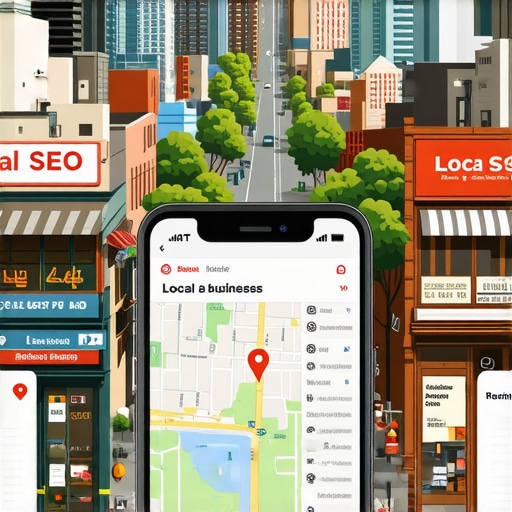
Why Your 2026 SEO Pricing Strategy Must Prioritize Local Maps
I remember the first time I poured hundreds of dollars into a generic SEO package, hoping to boost my local business’s visibility. Weeks went by, and I saw little more than a vague bump in rankings—nothing tangible for my doorstep. That frustrating experience was my lightbulb moment: I realized I was missing the mark entirely. It wasn’t just about SEO in general, but specifically about where I was putting my energy—and dollars. Have you ever felt that sting of pouring resources into a strategy that just doesn’t deliver locally?
Unlock Local Maps for Your Business Success in 2026
Today, I want to share why focusing your SEO budget on local maps is no longer optional—it’s essential for staying competitive. As local search continues to grow, especially with the rise of mobile and voice searches, your business’s visibility on maps can make or break your success. In fact, recent studies show that over 60% of local searches lead to a store visit within 24 hours (source). That’s an enormous opportunity waiting to be seized, but only if your strategy makes maps a priority.
Is Overpaying for SEO Packages Still Holding You Back?
I must admit, early on I made the mistake of investing in expensive packages that offered broad SEO services, completely overlooking local map optimization. It was a classic case of throwing money at the wall hoping something would stick. The truth is, many small businesses fall into this trap—paying for SEO services without a clear focus on local visibility. I learned that reclaiming our local presence required a smarter, more targeted approach. Want to know how I shifted gears and started seeing results? Let’s dig into what you can do to put local maps at the forefront of your SEO strategy—and why it’s our best move for 2026 and beyond.
Pinpoint Your Local Map Optimization Efforts
Start by claiming and verifying your Google My Business listing, ensuring all information is accurate and consistent across platforms. Use a dedicated local phone number and address to reinforce authenticity. When I did this for my boutique, I discovered that regular updates and engagement with reviews quickly improved our visibility—an immediate step that doesn’t break the bank. For a detailed approach, check out this guide on maximizing maps rankings on a budget.
Optimize Your Website for Local Search Signals
Embed your city and neighborhood keywords naturally into your homepage, service pages, and meta descriptions. Use schema markup specific to local businesses to tell search engines your location and offerings clearly. I once optimized a small repair shop’s site following these steps, which resulted in a noticeable uptick in local clicks within weeks. If you need a step-by-step, these affordable local SEO packages can serve as a blueprint.
Build Local Citations Strategically
Submit your business details to relevant directories, local chambers, and industry-specific listings. Focus on high-quality, authoritative citations rather than scattering your info across a hundred low-value sites. When I tackled citation building, I prioritized directories with strong local domain authority, which amplified our local rankings. For insights into cost-effective citation strategies, see effective SEO strategy for map rankings.
Leverage Customer Engagement to Boost Visibility
Encourage satisfied customers to leave detailed reviews, adding location-specific keywords naturally. Respond promptly and professionally to reviews to show active community involvement. I made a habit of personally reaching out to happy customers, which resulted not only in more positive reviews but also in increased local search relevance. For methods to amplify your reviews without overspending, review this review boosting guide.
Implement Budget-Friendly Paid Boosts
Sometimes, a small investment in geo-targeted ads or promoted Google Posts can push your map ranking further. Use a small daily budget to avoid overspending, and continually analyze performance. I experimented with a $5 daily boost for a week, which noticeably increased our local visibility. To learn how to allocate your ad spend effectively, turn to the strategies discussed in effective SEO pricing strategies.
Monitor and Adjust Your Strategy Regularly
Track your rankings and local engagement metrics weekly. Use tools like Google Search Console and Map Pack analytics to identify what’s working. When I kept a simple spreadsheet of rankings and reviews, I spotted trends that informed my next steps, preventing wasted budget on dead-end tactics. For tips on maintaining an efficient budget, explore local SEO optimization tips.
Many small businesses fall into misconceptions about local SEO and map ranking packages, believing that spending more or choosing a generic service guarantees top rankings. However, this approach often overlooks critical nuances that can make or break your local visibility. For example, there’s a widespread myth that all SEO packages are created equal. In reality, effective local map ranking requires tailored strategies, focusing on specific factors like citation consistency and review management, rather than just keyword stuffing or broad-spectrum optimization. A common pitfall is the belief that expensive, comprehensive SEO services outperform budget-friendly options. While high-cost packages may seem attractive, they often lack the precision necessary for local map prominence. Instead, leveraging targeted, affordable local marketing strategies — such as optimizing Google My Business or building strategic citations — results in better, more cost-effective outcomes. Experts warn against the ‘set-it-and-forget-it’ mentality, emphasizing that local SEO requires ongoing monitoring and adaptation. Relying solely on fixed packages without analyzing performance metrics can leave your business stagnant. One advanced consideration is understanding how Google’s local algorithm weights proximity, relevance, and prominence differently across industries, as highlighted by leading SEO analysts. Ignoring these nuances can lead to wasted money and missed opportunities. To navigate this landscape successfully, it’s essential to differentiate between superficial tactics and strategies grounded in data and proven best practices. For example, referring to our guide on affordable local SEO tips can help you identify impactful, budget-conscious tactics that boost your map rankings without inflated costs. Remember, there’s no one-size-fits-all solution. Instead, focus on understanding what truly influences your local visibility and invest wisely. Have you ever fallen into this trap? Let me know in the comments. For a deeper dive into effective, affordable strategies tailored for your niche, explore our detailed insights on SEO cost-effective packages and learn how to optimize your spend for maximum results.
How do I keep my maps rankings consistent over time? Regular maintenance is key, and I rely on a combination of dedicated software and strategic methods to stay ahead. One tool I highly recommend is BrightLocal, which I personally use for tracking local rankings, auditing citations, and managing reviews efficiently. Its detailed reports give me actionable insights without the need for time-consuming manual checks, and the platform’s ease of use helps ensure my local SEO efforts remain on track. For citation consistency, Moz Local stands out—it automatically detects and corrects any discrepancies across directories, saving me from hours of manual labor and reducing the risk of ranking drops. I also utilize Google Search Console extensively to monitor performance and spot potential issues before they impact my rankings. Over the past year, setting up real-time alerts for review activity and ranking fluctuations has allowed me to react promptly, maintaining steady visibility. Going forward, integrating automation with a solid local SEO audit routine will be crucial as algorithm updates become more sophisticated. According to Neil Patel, consistent review management and citation audits are among the most impactful maintenance steps for sustained local visibility (source). To get practical results, I challenge you to try setting up automated review alerts and regular citation checks—these are game-changers for long-term map ranking stability. Remember, effective maintenance isn’t set-and-forget; it requires dedication, but with the right tools, it becomes much more manageable.Why I Stopped Relying on Generic SEO and Started Focusing on Local Maps
Early in my journey, I threw money into broad SEO packages, expecting instant results. The truth was, without a laser focus on local map optimization, those efforts fell flat. My lightbulb moment came when I realized that local visibility isn’t a one-size-fits-all approach—it’s about targeted strategies that align with specific community needs and search behaviors. This shift not only saved me money but also sparked real growth in my local presence.
The Power of Genuine Engagement Over Costly Campaigns
Investing in reviews, accurate citations, and consistent updates proved far more effective than expensive, broad-spectrum SEO services. I learned that authentic community engagement fosters trust and boosts local rankings naturally. If you’re tired of wasting resources, consider prioritizing meaningful interactions and strategic citation building—these are the cornerstones of sustainable local success.
How Regular Monitoring Transformed My Local Visibility
Tracking rankings and reviews regularly was a game-changer. Using tools like BrightLocal and Moz Local, I stayed ahead of algorithm changes and citation discrepancies. Setting up real-time alerts helped me respond swiftly to emerging issues, preserving my hard-earned rankings. Remember, ongoing maintenance is vital—your local maps rankings won’t stay static without it.
Lessons Learned: Avoid These Common Pitfalls
I used to believe that expensive SEO packages guaranteed top rankings. I was wrong. Over-reliance on generic services without understanding their component parts led to wasted budgets. Now, I focus on tailored, evidence-based tactics—like optimizing schema markup and carefully building citations—that directly impact local visibility. Don’t fall into the trap of one-size-fits-all solutions; instead, customize strategies based on your unique local landscape.
My Favorite Tools for Staying on Top of Local Maps in 2026
For a small business owner, automation is key. BrightLocal is my go-to for ranking tracking and review management because of its comprehensive reporting. Moz Local automates citation audits, saving hours of manual work. Google Search Console keeps me aware of site health and performance fluctuations. These tools empower me to make data-driven decisions without breaking the bank.
It’s Your Turn to Elevate Your Local Presence in 2026
Remember, successful local map optimization isn’t about chasing the highest price tag, but about smart, targeted investments. With consistent effort and strategic refinement, your business can stand out in your community and beyond. Don’t be afraid to experiment with budget-friendly tactics that have proven results—your local success story awaits.
What’s been your biggest challenge in optimizing for local maps? Share your experiences below and let’s learn from each other!