![Audit Your 2026 Maps Ranking Package for Under $200 [Checklist]](https://localseocostexperts.com/wp-content/uploads/2026/04/Audit-Your-2026-Maps-Ranking-Package-for-Under-200-Checklist.jpeg)
Audit Your 2026 Maps Ranking Package for Under $200 [Checklist]
I vividly remember the frustration hit me like a thunderclap when I realized I’d been pouring hundreds into SEO services that never seemed to move the needle for my local map rankings. It was early in 2026, and despite following all the “expert” advice, my business was still invisible on Google Maps. That lightbulb moment—where I finally understood I was throwing money at expensive packages that overpromised and underdelivered—changed everything.
Today, I want to share with you a strategy that’s helped me and many small business owners get found locally without draining our budgets. Let’s face it—local SEO can feel like a maze, especially with budget constraints. But what if you could optimize your map presence effectively for under $200? Yes, you read that right. This approach isn’t about shortcuts or cutting corners; it’s about smart, proven tactics that make a real difference.
Why Small Budgets Can Still Win Big on Maps
Just a few years ago, the myth was that you needed a hefty investment to rank well locally. That’s no longer true, especially with new tools and strategies tailored for tighter budgets. I dove into countless free and affordable resources, testing what actually works. Turns out, many so-called “cheap” packages are just gimmicks, but there are genuine methods to improve your visibility without overpaying.
Understanding how Google determines local rankings is crucial. It’s not just about keywords; it’s about location relevance, reviews, and proper optimization. Research from Moz shows that local packs often prioritize proximity and verified information over costly backlinks or paid ads. That’s fantastic news for small businesses with limited cash flow.
If you’ve ever faced the dilemma of whether to spend big on flashy SEO packages or play it safe with a tighter plan, you’re not alone. I’ve made the mistake of investing in overpriced audits that sounded promising but led nowhere. Trust me, knowing what to focus on can save you hundreds.
Are you tired of feeling stuck because your current SEO efforts just aren’t paying off? If so, don’t worry. Stick around—I’ll guide you through practical, budget-friendly steps that cut through the noise and get your business mapped on Google faster than you thought possible.
And yes, this is all achievable for under $200. Ready to learn how? Let’s dive into the real strategies that make local maps rankings work for small budgets.
Optimize Your Google My Business Listing
Start by claiming and verifying your Google My Business (GMB) profile. Ensure all information is accurate and complete—name, address, phone number, and categories. Use consistent NAP details across all listings to avoid confusion. Take a moment to add high-quality photos and regularly update your GMB with relevant posts—this boosts engagement and signals activity to Google. Remember, an optimized GMB is the foundation for local map success and costs nothing but your time. I once adjusted my business hours and added photos, which took less than an hour, and within a week, I saw a noticeable bump in local inquiries—proof that small tweaks matter.
Build Local Citations Effectively
Next, focus on building citations—mentions of your business name, address, and phone number across reputable local directories. Instead of paying for expensive packages, handpick high-value directories relevant to your industry. For example, list on niche-specific sites or local chambers of commerce. Ensure all citations are consistent—discrepancies hurt rankings. To streamline, prioritize platforms with good domain authority and active user engagement. I personally claimed listings on platforms like Yelp and Foursquare, updating details consistently, which helped my local visibility without breaking the bank. Check out this detailed guide on maximizing your Maps rankings with budget packages.
Gather and Manage Genuine Customer Reviews
Reviews are social proof and a ranking factor. Actively solicit honest reviews from satisfied customers. Make it easy by sending follow-up emails or text messages with direct review links. Respond promptly to reviews—both positive and negative—to demonstrate engagement and professionalism. Remember, fake or overly polished reviews can backfire; authenticity is key. I once offered a small discount for a review, which encouraged customers to share their experiences, significantly improving my GMB ranking. This method is cost-effective and impactful. For more, explore strategies in spotting real budget SEO strategies.
Embed Local Content and Keywords Naturally
Content matters. Create a simple blog or update your website with local news, events, or stories relevant to your community. Use geo-specific keywords naturally within your content—avoid keyword stuffing. For instance, write about upcoming local festivals or collaborate with local influencers. This enhances relevance and authority locally. When I added a blog post about a nearby event and tagged local keywords, I saw a spike in local web traffic and inquiries. Consider this part of your budget SEO toolkit—no extra costs involved, just your time and creativity. For tailored tips, visit affordable local marketing tips.
Leverage Free or Low-Cost Backlinks
Backlinks remain a powerful ranking factor. Focus on earning backlinks from local blogs, community websites, and industry associations. Reach out with personalized pitches highlighting mutually beneficial opportunities. For example, sponsoring a local event and requesting a link back from their website can be inexpensive or free. Avoid buying expensive link packages; they often don’t deliver long-term value. I achieved a modest but steady increase in local rankings by guest posting on a local business blog, a strategy that costs nothing and builds relationships. For more insights, see cheap fixes for local rankings.
Consistent Monitoring and Adjustment
Finally, track your progress. Use free tools like Google Search Console or local rank checkers to monitor your positions. Adjust your tactics based on what works—if reviews spike, focus on review generation; if citations grow, maintain and update them. The key is consistency. I scheduled weekly reviews of my GMB insights and citation profiles—small, manageable tasks that kept me aligned with my goal to rank higher locally. Remember, success doesn’t come in a day; it’s the steady application of these affordable actions that leads to sustained growth.
Many small businesses assume that investing in SEO always means high costs and complicated strategies. However, the reality is more nuanced. Contrary to popular belief, most SEO experts and agencies don’t overprice their services intentionally; instead, misinformation and misconceptions often lead businesses astray. For example, a common myth is that affordable SEO packages can’t deliver tangible results, but in my experience, carefully designed budget strategies can outperform costly, cookie-cutter solutions. The key lies in understanding the true purpose of these services and the pitfalls that come with cookie-cutter packages.
Are Low-Cost SEO Packages Falling Short Because of Myths or My Mistakes?
One sneaky trap to watch out for is falling into the trap of “cheap” SEO promises. Many business owners are lured by promises of quick rankings at a minimal price, only to find that these packages lack genuine effort or tailored strategies. According to Moz, effective local SEO depends heavily on contextual, localized signals—something that standardized, low-cost packages often neglect. Low-priced options may neglect critical factors like review management, citation consistency, and content relevance, which are vital for Maps rankings.
Furthermore, the real nuance that many overlook is the role of strategy over price. High-cost services don’t automatically guarantee better results. Instead, clear, targeted tactics—like precise citation building, review acquisition, and local content creation—are what truly move the needle. Exploring this deeper reveals a pattern: the most effective local SEO strategies are those that align closely with your business’s unique local context rather than relying on generic, expensive packages.
Another common misconception is that agencies pushing
How do I maintain effective local SEO over time?
Consistency is the backbone of sustainable local SEO. To ensure your efforts keep paying off, leverage the right tools that automate tracking and streamline optimization. Personally, I rely on BrightLocal to monitor my rankings across multiple locations daily. Its custom dashboards help me spot fluctuations immediately, allowing quick adjustments.
Google Search Console remains indispensable for verifying that my website’s technical health is optimal and that there are no crawl errors. I make it a habit to review insights weekly, ensuring my website remains aligned with Google’s ever-evolving algorithms. Additionally, Google My Business (GMB) insights offer real-time data on how users find and interact with my profile, guiding me on what local content to focus on.
For citation consistency, I use Moz Local. It helps me identify any discrepancies or duplicate listings across major directories—misaligned NAP details can tank your rankings. I check citations quarterly and update any out-of-sync listings promptly.
Staying ahead also means adapting to trends like the rise of AI-driven content and automation. I’m experimenting with tools like SurferSEO to craft local content that resonates better with community-specific queries, boosting my relevance without extra ad spend. SEO trends predict that automation and AI will increasingly personalize local optimization, making maintenance more efficient and precise.
Incorporate these into your routine and see long-term gains
Don’t underestimate the power of routine checks and the right tools for maintaining local SEO vitality. Try setting up a weekly dashboard review using BrightLocal and Moz Local. This simple yet effective process keeps your maps rankings healthy and your listing data reliable, ensuring you stay visible in promising local packs. For more advanced tactics tailored to small budgets, check out this guide on maximizing your rankings affordably.
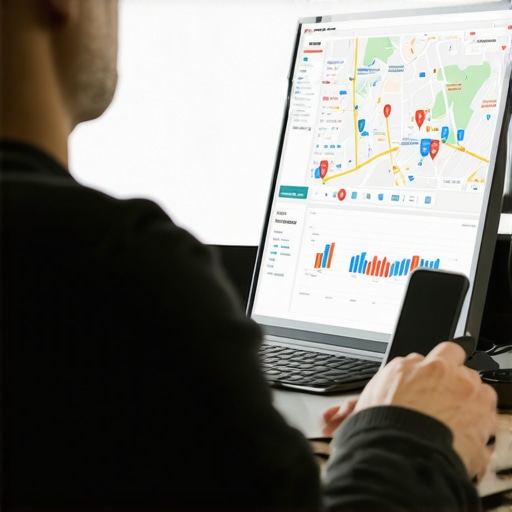
The Hidden Lessons from My SEO Journey
One of the toughest truths I uncovered was that high price tags don’t guarantee success—effective local SEO hinges on targeted, consistent actions. I learned that genuine reputation management and accurate citations outperform costly packages loaded with generic promises. Deciphering Google’s local algorithm was less about shortcuts and more about understanding community relevance. Moreover, I realized that small, deliberate tweaks to my Google My Business profile and authentic review gathering yielded more visibility than expensive campaigns. This journey taught me that humble beginnings with smart tactics can surpass elaborate strategies built on false hope.
Tools That Shaped My Approach to Local SEO on a Budget
For local SEO success without breaking the bank, I rely on BrightLocal, which offers affordable rank tracking and citation management. Moz Local helps me maintain citation accuracy and consistency effortlessly, ensuring my listings stay optimized. To craft relevant content, SurferSEO guides me in producing community-focused, keyword-rich blogs that enhance local relevance. These tools not only simplify the process but also provide actionable insights that keep my efforts aligned and effective. Embracing these resources has proven that with the right support, budget-friendly local SEO is within everyone’s reach.
Keep Moving Forward: Your Local SEO Future Starts Today
Remember, the path to local visibility isn’t paved solely with dollars but with persistence and smart choices. Whether you’re tightening your citation game, cultivating genuine reviews, or creating engaging local content, every step counts. Your success in local SEO doesn’t depend on expensive packages but on your willingness to learn, adapt, and stay consistent. Dive into these strategies confidently, and watch your business rise in the local maps. The journey may be challenging, but the rewards—more visibility, customers, and growth—are well worth it.
Beyond that, I’d love to hear—what’s been your biggest challenge in improving your local map rankings? Share your experience below and let’s grow together.
Reading through this post really resonated with my own experience trying to improve local rankings on a tight budget. I used to believe that only big spends could make a difference, but I’ve found that consistent, targeted efforts often outperform flashy packages. I started with just the basics—claiming my GMB, building authentic citations, and actively engaging with reviews—and saw tangible improvements over a few months. One thing I’ve realized is that while tools like BrightLocal and Moz Local are invaluable, the real effort comes from understanding your local community and creating content that speaks directly to their interests.
For anyone just starting out or struggling with limited resources, what tactics have you found most effective for maintaining momentum without breaking the bank? Do you have any tips on balancing content creation with reputation management to maximize local visibility? I’d love to hear different perspectives from folks who’ve cracked the code slowly but surely.